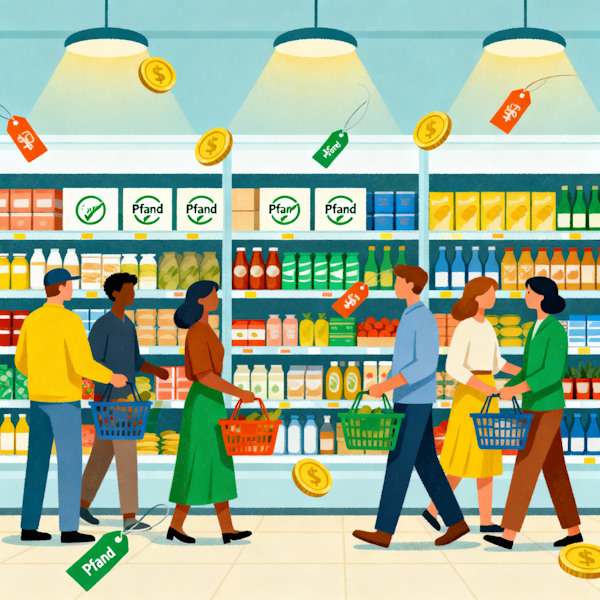
Moving to Lower Saxony means discovering a new rhythm for everyday needs, where to buy food, what the labels mean, how the bottle deposit (Pfand) works, and how to stretch a student or starter budget without sacrificing quality. This guide walks you through the essentials of grocery shopping in the region, from navigating supermarkets and weekly markets to understanding German packaging symbols and checkout phrases. It is written for newcomers who want practical, confidence-building tips from the very first shop.
Because shopping habits are part of local culture, you will also learn small etiquette details, bringing a coin for the trolley, packing your own groceries quickly at the end of the belt, and returning bottles to reverse-vending machines. If you already know some of this from elsewhere in Germany, think of this as a Lower Saxony-flavored refresher with local pointers and smart savings ideas.
Where to Buy Everyday Essentials: Shop Types and What They Offer
Most people in Lower Saxony buy food in a mix of places: full-line supermarkets, discount supermarkets, drugstores, international grocery shops, and outdoor weekly markets (Wochenmärkte). Each type has its strengths, and knowing what to expect will help you plan faster and save money.
- Full-line supermarkets: Medium to large stores with a broad selection of fresh produce, dairy, bread, and a full range of packaged foods. They typically have in-store bakeries and good fresh counters.
- Discount supermarkets: Smaller selection but very competitive prices, strong store brands, frequent weekly promotions, and a surprisingly good fresh section. Great for budget-friendly staples.
- Drugstores (Drogerien): dm, Rossmann, and similar stores carry toiletries, baby products, eco-friendly cleaning supplies, snacks, and some health items. They do not sell prescription medicines, that’s the pharmacy’s role (Apotheke).
- International grocery shops: Turkish, Middle Eastern, Asian, Eastern European, and African shops are common in many cities and towns, offering spices, halal or specialty meats, rice varieties, teas, and fresh herbs at good prices.
- Weekly markets (Wochenmärkte): Open-air stalls selling seasonal vegetables, meats, cheese, eggs, flowers, and regional specialties. Prices vary, quality is high, and you can ask questions directly to producers.
Quick tip: Because Sunday is a rest day for most shops in Germany, plan your bigger shopping trips Monday–Saturday and keep a small emergency stock at home. If you want background on why Sundays are different, you can find a broader cultural explanation on this site.
Read more: How Sundays and local customs shape daily life in Lower Saxony
Opening Hours, Trolleys, and the Checkout Routine
Opening hours vary by town and store brand. Many supermarkets open early in the morning and close in the evening on weekdays and Saturdays; smaller towns may close earlier. Expect crowds after work and on Saturday late mornings. On public holidays, most shops close, check the store’s door sticker or website in advance.
Bring a €1/€2 coin (or a plastic token) for the shopping trolley. The coin is returned when you re-dock the trolley. For baskets, no coin is needed. Inside the store, you are expected to bag your own items quickly after the cashier scans them, have your bags open, and if you’re still packing, move aside to the nearby counter so the next customer can start.
Payment is increasingly cashless. Most places accept contactless debit/credit cards and mobile wallets, but it’s wise to carry some cash for small bakeries or kiosks. Keep the receipt (Kassenbon), you may need it for returns or workplace reimbursements.
Understanding Labels, Quality Marks, and Dietary Preferences
German packaging includes many helpful indicators. Learning a few will save time:
- Bio/Organic: The green EU leaf logo indicates certified organic production. You might also see German organic labels; all guarantee stricter standards than conventional.
- MHD (Mindesthaltbarkeitsdatum): “Best before” date. Foods are often perfectly good shortly after this date, many stores discount items approaching their MHD.
- Vegan/Vegetarian: Look for a “V-Label” or clear vegan/vegetarian markings on the front or ingredient side.
- Allergen information: Common allergens (e.g., gluten, nuts, milk) are listed in bold in the ingredients list. When in doubt, ask staff or choose items with clear allergy icons.
If you have special dietary needs (halal, kosher, gluten-free, lactose-free), start with international shops and the “free-from” sections of larger supermarkets. Many bakeries will advise about ingredients if you ask politely.
Navigating Offers and Saving Money Every Week
Lowering your grocery bill is about timing and flexibility. These tactics work well across Lower Saxony:
- Store brands (Eigenmarken): Usually excellent value and quality-controlled. Try a few; you may not notice a difference from premium brands.
- Weekly promotions (Angebote): Most chains rotate deals every week. Check entrance displays or in-store posters labeled “Aktionspreis.”
- Near-date discounts: Look for stickers on meat, dairy, and bread that are near their best-before date. Freeze meat and bread to extend life.
- Plan around seasons: Seasonal produce (e.g., strawberries, asparagus, root vegetables) is fresher and often cheaper in season.
- Rescue surplus food: Apps like Too Good To Go let you pick up discounted “surprise bags” from bakeries, cafés, and supermarkets, great value if you’re flexible.
Loyalty apps exist for many chains and may include digital coupons or small cashback. Use them if convenient, but don’t let coupons push you into buying items you don’t need.
The Pfand (Deposit) System: How Bottles and Cans Come Back to You
Germany’s deposit system reduces waste and encourages recycling. Many drink containers include a small deposit (Pfand) that you pay at purchase and get back when you return the empty container. The process is simple once you try it.
How to Recognize Pfand
Look for “Pfand” on the shelf tag or bottle/can label. You may also see “Einweg” (single-use) or “Mehrweg” (reusable) signs. Both typically have a deposit, but they are processed slightly differently by stores and recyclers.
Returning Containers
At most supermarkets, you will find a reverse-vending machine near the entrance. Feed bottles and cans one by one; when finished, press the button for a printed voucher. Hand the voucher to the cashier at checkout and the amount will be deducted from your bill or paid out in cash at the service counter.
What if the Machine Rejects an Item?
It may be from a different system, damaged, or the label is unreadable. Ask staff if it can be handled manually; otherwise, dispose of it correctly at home.
Read more: How to sort waste and recycling correctly in Lower Saxony
Drugstores vs. Pharmacies: Know the Difference
Drugstores (Drogerien) such as dm or Rossmann carry shampoo, soap, cosmetics, diapers, household cleaning supplies, paper products, and often snacks and drinks. They may also offer photo printing and small household items. Pharmacies (Apotheken) sell medicines and provide health advice; they are the place to go for prescriptions and specialized over-the-counter products.
For consumer questions about returns, warranties on small appliances, or understanding contracts, the state’s consumer advice service is a good resource: the Verbraucherzentrale Niedersachsen offers guidance on shopping rights and more.
Weekly Markets and Seasonal Shopping
Weekly markets are a great way to connect with local food culture. Vendors sell seasonal fruit and vegetables, cheeses, meats, eggs, herbs, honey, and flowers. Prices can be higher than discounters but quality is often excellent, and you can buy exact quantities. Bring a basket or reusable bag and small change.
Seasonal shopping is also a chance to discover regional specialties, ask the vendor how to prepare something new. Many stalls provide simple recipes. If you enjoy the social aspect of shopping, markets can help you feel part of the community and practice everyday German in short, friendly conversations.
Read more: Finding community through clubs, sports, and volunteering
Small German Phrases That Help at the Checkout
Even with limited German, a few phrases make shopping smoother:
- “Eine Tüte, bitte?” , “A bag, please?” (Bags cost a little; bringing your own is common.)
- “Mit Karte, bitte.” , “By card, please.”
- “Kontaktlos, bitte.” , “Contactless, please.”
- “Den Kassenbon bitte.” , “The receipt, please.”
- “Pfandbon einlösen, bitte.” , “Please redeem the deposit voucher.”
Cashiers sometimes ask, “Sammelpunkte?” or mention a store card/app; you can answer “Nein, danke.” if you are not using one.
Smart Storage at Home: Reducing Waste and Saving Time
Once you’ve shopped, a little organization at home goes a long way:
- First in, first out: Put new items behind older ones so you use older food first.
- Freeze the surplus: Bread, meat, grated cheese, and many cooked dishes freeze well, portion before freezing.
- Label leftovers: A piece of tape with the date helps you remember what to eat first.
- Prep vegetables: Wash and chop some items when you get home to make weeknights easier.
When you do have waste, dispose of it correctly according to local rules, biowaste, paper, plastics/packaging (Gelber Sack or Gelbe Tonne), and residual waste all have specific bins.
In most medium and large towns, you will find shops with international products, spices, rice, noodles, tahini, plantains, yams, specialty flours, and more. Ask neighbors and classmates where they shop for specific foods; people are usually happy to share tips. For vegan products, many supermarkets now have a dedicated “vegan & veggie” aisle, and you’ll often see oat, soy, and almond milks next to the regular dairy section.
Some larger drugstores also stock gluten-free or lactose-free alternatives; check the “free-from” shelves. If you cannot find an item locally, consider ordering online for pantry staples, and supplement with fresh produce from nearby markets.
Returns, Complaints, and Friendly Problem-Solving
If you buy something spoiled by mistake, keep the receipt and return to the store as soon as possible. Show the product and calmly explain the issue; most stores will refund or replace without fuss. For non-food items (small appliances, electronics) check the store’s policy and keep original packaging; you might need it for a straightforward exchange.
If you’re unsure about your rights, the Verbraucherzentrale Niedersachsen (consumer advice centre) offers impartial guidance and helpful articles in simple language.
Putting It All Together: A Sample “Newcomer” Shopping Plan
Here’s a simple routine many newcomers use to save time and money:
- Monday or Tuesday: Quick scan of weekly promotions; buy staples at a discount supermarket (rice, pasta, milk, eggs, frozen vegetables, store-brand basics).
- Mid-week: Stop by a full-line supermarket for fresh bakery items, meat/fish, and special ingredients for one “treat” recipe.
- Friday or Saturday morning: Visit the weekly market for fresh seasonal produce. Buy only what you’ll use, and ask sellers how to store it.
- Any day: Rescue surplus items via Too Good To Go if you’re flexible about menu planning.
- Always: Rinse and return Pfand containers during your next shop; keep a coin or token clipped to your key ring for the trolley.
As you build your routine, you will naturally learn where to buy which items for the best mix of price, quality, and convenience. And you’ll notice how shopping can become a small part of cultural integration, greeting the same cashier, learning the words for your favorite bread, or chatting for thirty seconds at the cheese counter can make a new place feel like home.
Next Steps on Your Daily-Life Journey
Grocery shopping is one piece of everyday life. Meeting people, volunteering, or joining a sports or music club helps you practice language and feel connected beyond the supermarket checkout. Lower Saxony offers countless ways to get involved.
With a little practice, you will master local shopping habits, understand labels, return Pfand bottles like a pro, and keep your budget on track, freeing time and energy for studies, work, and the social life you came here to build.