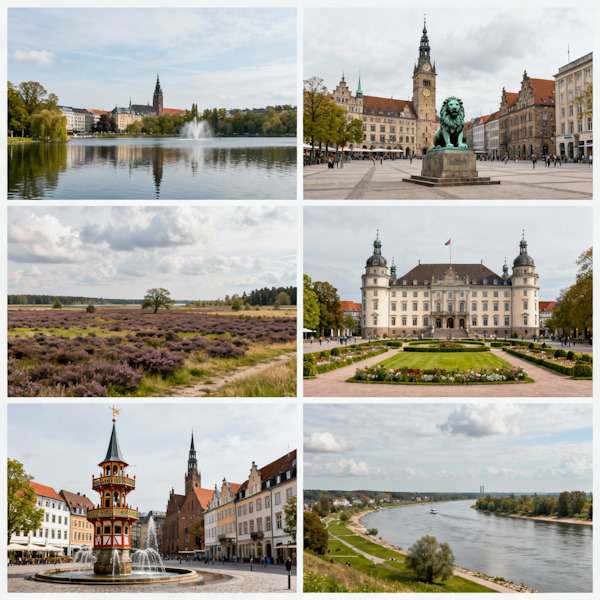
Lower Saxony sits in Germany’s north, where people are often seen as friendly but reserved, practical, and respectful of personal space. If you have just arrived, you may notice that conversations feel direct, appointments are carefully kept, and community life is built on trust, responsibility, and clubs. This guide explains how communication and etiquette typically work in Lower Saxony so you can feel more confident at university, at work, in shops, with neighbors, and when making new friends.
Of course, no rule fits everyone. What follows are helpful patterns rather than strict laws. Use these tips to read situations, avoid misunderstandings, and build warm relationships while staying true to your own personality and culture.
How People Communicate in Lower Saxony
Communication in Lower Saxony tends to be calm, focused, and respectful. People often prefer a clear point, a reasonable pace, and enough time to think before answering. You may hear fewer compliments or enthusiastic expressions than in other cultures, but this does not mean people are unfriendly. It usually reflects a preference for sincerity and reliability over showy language.
Direct Yet Polite
Being “direct” in northern Germany usually means saying what you mean without too much small talk, but still with courtesy. Phrases like “Könnten Sie bitte…” or “Wären Sie so freundlich…” keep requests polite. If someone disagrees, they may say so plainly, and this is not considered rude. It is seen as honest and efficient.
Listening and Turn Taking
Interrupting is uncommon in formal settings. People often let one person finish, then respond. Nodding and brief backchannel words like “ja”, “genau”, or “okay” show attention. Silence is not always uncomfortable. A short pause can simply mean someone is thinking.
Email and Messaging Etiquette
Emails and messages are usually concise and well structured. Start with a greeting like “Guten Tag Frau Müller” or “Hallo Herr Schmidt”, add a friendly line, get to the point, and close with “Viele Grüße” or “Mit freundlichen Grüßen”. Avoid sending late night messages unless urgent, and consider that people value their evenings and weekends for rest, family, and clubs.
Read more: A newcomer’s guide to Sundays, local festivals, and getting involved
Punctuality, Planning, and Commitments
Punctuality is a form of respect. For classes, work, doctor visits, or meeting friends, arrive on time. If you will be late, send a quick message with a short apology and a new realistic time. In group work or volunteering, do what you promised and communicate early if your plan has changed.
- Appointments: Arrive 5 minutes early if possible. For online meetings, join exactly on time with your microphone set up.
- Invitations: If invited to a home or an event, RSVP as soon as you can. People often plan seating and food carefully.
- Weather and travel: Trains and buses can be delayed. Build a small buffer into your schedule to avoid stress.
Written schedules are common. You might see shared calendars for classes or clubs. It is normal to plan a coffee meet up one or two weeks ahead, then follow through.
Personal Space, Boundaries, and Privacy
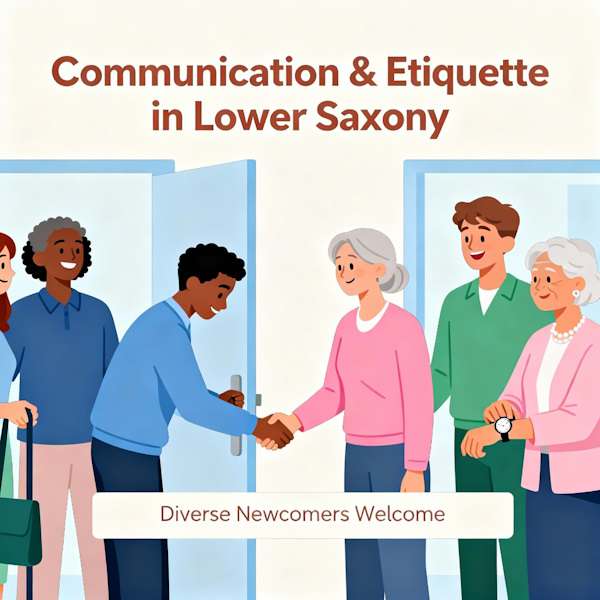
Lower Saxony has a strong sense of personal space. Handshakes are still used in formal contexts, while a simple wave or nod is common among peers. Hugs are usually for family or close friends. People may prefer polite distance in queues, on buses, and in stores.
Privacy is respected. Asking about salary, relationship details, or political opinions can feel too personal unless you already have a close relationship. Instead, start with neutral topics: studies, work, weekend plans, hobbies, travel, sports, or local events.
Small Talk That Works
Small talk is brief and practical. Weather, cycling routes, football, local lakes, university life, or a recent concert are safe topics. If you are in northwest Lower Saxony and someone greets you with “Moin”, it is a friendly, all day greeting. You can reply with “Moin” or “Hallo”. Keep humor light and avoid sarcasm that could be misunderstood across languages.
- Start simply: “Hi, I am new in Oldenburg. Do you know a good place for coffee near campus?”
- Share something small: “I tried the market on Saturday, the apples were great.”
- Invite gently: “If you have time next week, shall we study together for an hour?”
Dining, Cafes, and Tipping
In restaurants, it is common to pay at the table. If the server asks “Zusammen oder getrennt?”, they want to know whether you will pay together or separately. If you say “getrennt”, each person pays their part. Tipping is appreciated, usually by rounding up or adding 5 to 10 percent for good service. Say the total you want to pay when you hand over your card or cash, for example, “9,50 bitte” on an 8,70 bill.
In homes, it is polite to bring a small gift, like chocolates or non alcoholic drinks. Ask the host whether to remove your shoes, as many households prefer it. If you have dietary restrictions, inform the host in advance so they can plan kindly and without stress.
Neighbors, Quiet Hours, and House Rules
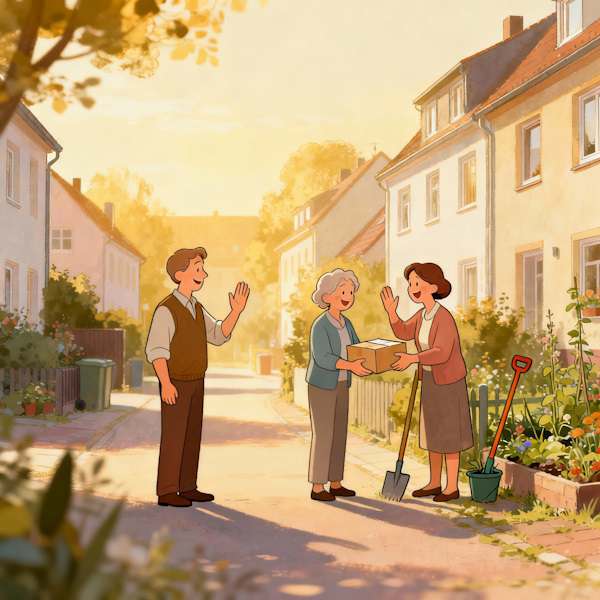
Most apartment buildings have Hausordnung, a set of house rules. Common expectations include keeping stairwells clear, sorting waste correctly, and observing quiet times in the evening and on Sunday. If you want to have a birthday dinner, informing neighbors in advance is appreciated and prevents complaints. A short note like “Kleines Geburtstagsessen am Samstag, 19 bis 22 Uhr, sagen Sie bitte Bescheid, falls es stört” shows respect.
If a neighbor raises a concern, stay calm and friendly. Thank them for telling you and propose a solution. If needed, follow up with a short message after you have resolved the situation. Good neighbor relationships are built on small positive interactions over time.
Read more: Practical ways to show respect for different cultures and beliefs
Polite Language You Can Use Right Away
These phrases help keep conversations friendly and smooth while you are still learning German:
- Hallo, Moin, Guten Tag - hello for different contexts
- Bitte, Danke, Entschuldigung - please, thank you, excuse me or I am sorry
- Ich spreche noch nicht so gut Deutsch. Sprechen Sie Englisch? - I do not yet speak German very well. Do you speak English?
- Könnten Sie das bitte wiederholen oder langsamer sprechen? - Could you repeat that or speak more slowly, please?
- Darf ich eine Frage stellen? - May I ask a question?
- Passt es jetzt oder später? - Does now work or later?
- Schönen Tag noch - have a nice day
If you make a mistake, a quick, friendly correction is normal in Germany. Most people appreciate your effort and will meet you halfway.
Workshops, Courses, and Where to Practice
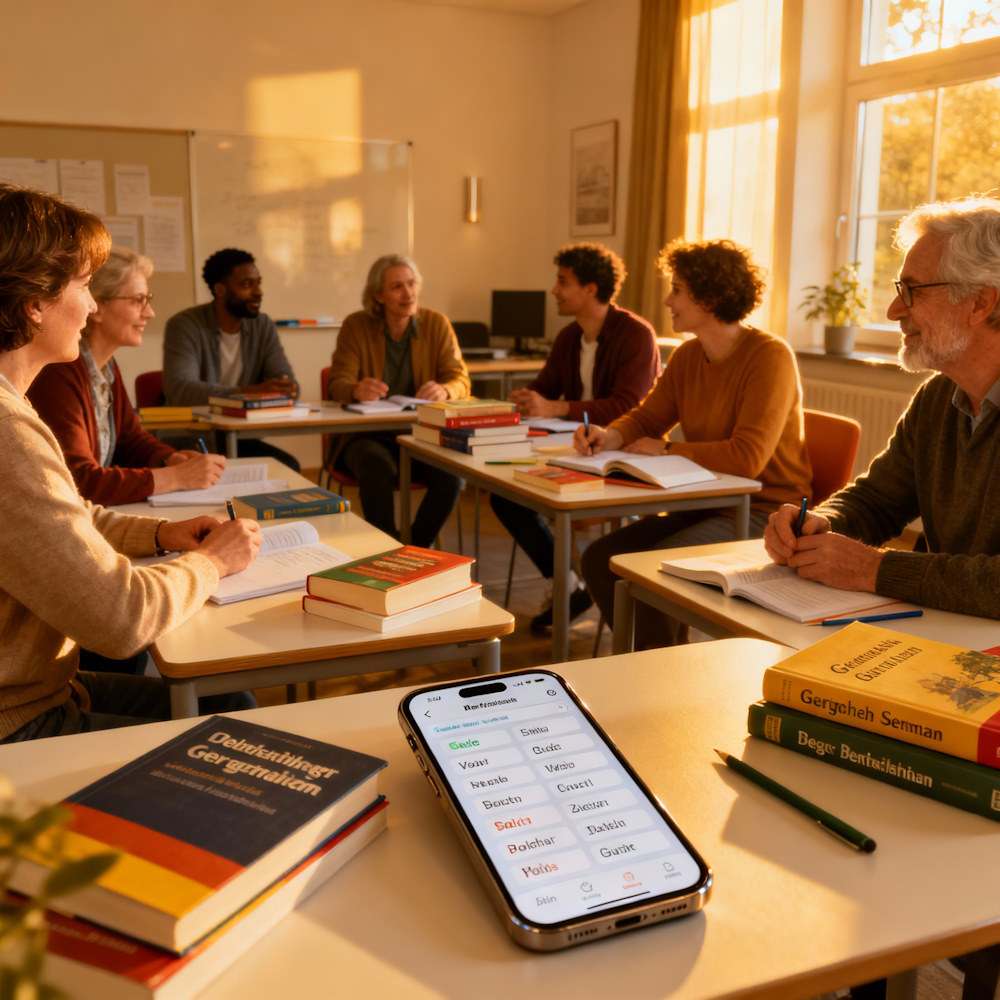
Adult education centers called Volkshochschulen offer affordable language and culture courses. They often run conversation evenings, photography clubs, or sport groups where you can meet others in a relaxed environment. To find a course near you, you can explore the national course search at the official Volkshochschule website.
Universities, libraries, and cultural centers also host small events, book clubs, and lectures. Join a group that fits your interest, then attend regularly. Seeing each other weekly helps conversations grow naturally.
Joining Clubs and Building a Community
Clubs, called Vereine, are a cornerstone of social life in Lower Saxony. You can choose from football, choir, rowing, chess, coding, and much more. Most clubs welcome beginners and run practice sessions, tournaments, or social evenings. This is one of the easiest ways to make friends, improve German, and feel at home.
- Start small: Visit once or twice before becoming a member.
- Offer help: Volunteer at an event or bring snacks. Participation shows commitment.
- Be patient: Friendships often grow gradually. Reliability matters more than speed.
When you give time and show up consistently, people quickly see you as part of the team.
Read more: How to find and join local clubs and volunteer groups
Common Pitfalls and How to Avoid Them
Every culture has unwritten rules. Here are typical misunderstandings for newcomers and simple solutions:
- Being too late without notice. Solution: Send a quick message the moment you realize you will be late and propose a new time.
- Over sharing early on. Solution: Start with neutral topics. As trust grows, deeper conversations will come naturally.
- Not separating trash correctly. Solution: Ask your landlord or neighbors to show you the system once. Take a picture of the bins, labels, and pickup days to remember.
- Speaking loudly on public transport. Solution: Keep your voice low, use headphones, and take calls outside when possible.
- Forgetting quiet hours. Solution: Check your building’s house rules and keep music low at night and on Sundays.
When in doubt, observe what others do, ask a polite question, and explain that you are new. Most people are happy to help when you show goodwill.
Seasonal Customs and How to Join In
Across Lower Saxony, the year is full of traditions. In winter, Christmas markets light up towns with sweet pastries and hot drinks. In spring and summer, you might encounter community fairs, open air concerts, and sports events. Ask classmates or neighbors which local annual events they recommend. Go with a friend the first time, then return the next year and bring someone new.
If you are curious about traditions, practical tips from national broadcasters can be helpful. For an accessible overview of everyday etiquette, see Deutsche Welle’s Germany guide. Use it as a reference, then adapt to your town’s unique character.
Respect, Inclusion, and Being Yourself
Integration is a two way street. In Lower Saxony, respect for different backgrounds is a shared value. Bring your language, food, and stories. Offer to cook a dish from home, organize a small cultural evening, or share music after a club practice. At the same time, stay open to local customs, and you will find a comfortable balance between adapting and being yourself.
If you ever face an uncomfortable situation, speak to a trusted person at university, a club coach, or a local advisory service. Clear, calm conversations often resolve misunderstandings quickly.
Checklist: Your First Month
- Learn and use 8 to 10 polite phrases in German.
- Arrive 5 minutes early to two appointments each week.
- Try one new small talk topic with classmates or colleagues.
- Visit a club or community group twice.
- Invite one neighbor or classmate for coffee or a study hour.
- Read your building’s house rules and note the quiet hours.
These small steps build confidence. After a month, you will already feel more at home.
Final Thoughts
Lower Saxony’s social life runs on thoughtful communication, reliability, and steady participation. When you respect time, space, and commitments, people see you as considerate. When you show up for your club, neighbors, and friends, they show up for you. Step by step, you will grow a supportive network and enjoy the rich cultural rhythm of everyday life here.