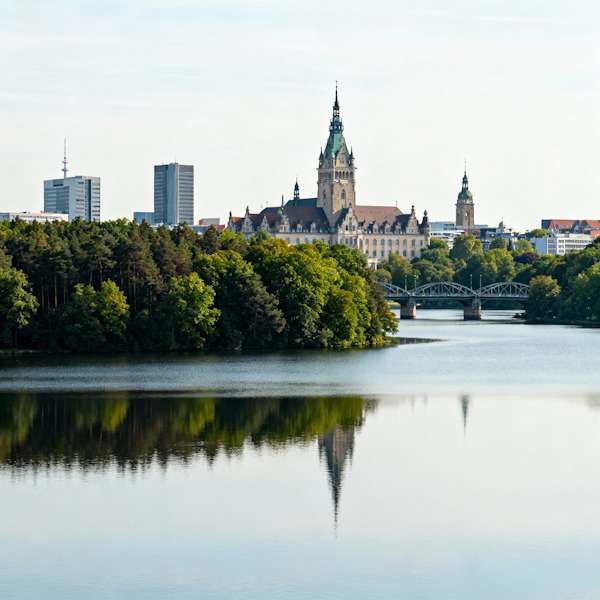
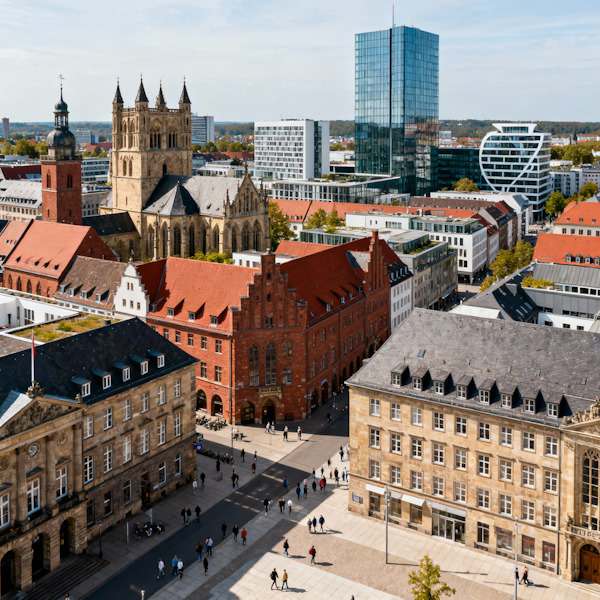
Braunschweig, sometimes anglicized as Brunswick, is the second largest city in Lower Saxony by population. With around a quarter of a million residents and a wider research and industry corridor that stretches toward Wolfsburg and Salzgitter, the city blends medieval heritage with modern science, engineering, and student life. This guide introduces Braunschweig’s story, culture, economy, sports traditions, notable people, and key historical events, followed by a concise section for newcomers planning to study, work, and settle here.
Expect a compact center, bike friendly streets, green spaces around the Oker river ring, and quick rail links to Hannover, Wolfsburg, and beyond. Museums and theatres sit beside labs, test tracks, and institutes, giving the city an unusual balance of scholarship and industry.
At a Glance: Location, Population, and Character
Braunschweig sits on the Oker in southeastern Lower Saxony, midway along the engineering corridor to Wolfsburg and near the northern edge of the Harz foothills. The urban area feels dense and walkable, while suburbs offer calmer streets and family housing. Population is roughly 250,000, with many commuters flowing in from surrounding towns for university, research, and supplier jobs.
Climate is temperate. Winters are cool, summers are mild, and showers can arrive quickly. Locals rely on bikes, buses, and regional trains rather than cars for most trips inside the city.
History Timeline
Braunschweig’s history stretches from a medieval trading hub to a modern research city. The highlights below sketch the long arc that shaped its identity.
Medieval Foundations and Henry the Lion
The city grew around a market and river crossing. In the 12th century, Henry the Lion, Duke of Saxony and Bavaria, expanded and fortified the settlement. The Dankwarderode Castle and St. Blasii Cathedral became the political and spiritual core, and trade connections to the north and east intensified.
Ducal City and the Hanseatic Network
As part of the Duchy of Brunswick-Lüneburg, Braunschweig maintained merchant ties across northern Europe. Guild power, church patronage, and the exchange of goods and ideas embedded the city in the Hanseatic sphere, visible today in surviving street patterns and historic houses.
Industrialization and the 19th Century
Railways, engineering workshops, and the growth of publishing, insurance, and precision crafts transformed the city. New boulevards, factories, and civic buildings emerged, and the population expanded beyond the medieval walls.
Twentieth Century Upheavals
The First World War and the revolutionary period reshaped local politics, followed by the complex 1930s in which the Free State of Brunswick became entangled in national power struggles. The Second World War brought heavy air raids that damaged large parts of the city. Post-war rebuilding combined modern streets with careful restoration of key landmarks.
From Rebuilding to Research Hub
In the late twentieth century the city invested in science, engineering, and higher education, strengthening links to national institutes and industry. Today, Braunschweig is known for research density, test facilities, and collaborations across mobility, metrology, and life sciences.
Culture and Sights
Culture in Braunschweig is understated, scholarly, and varied, anchored by museums, theatre, and public art. A few essentials for your first weekends:
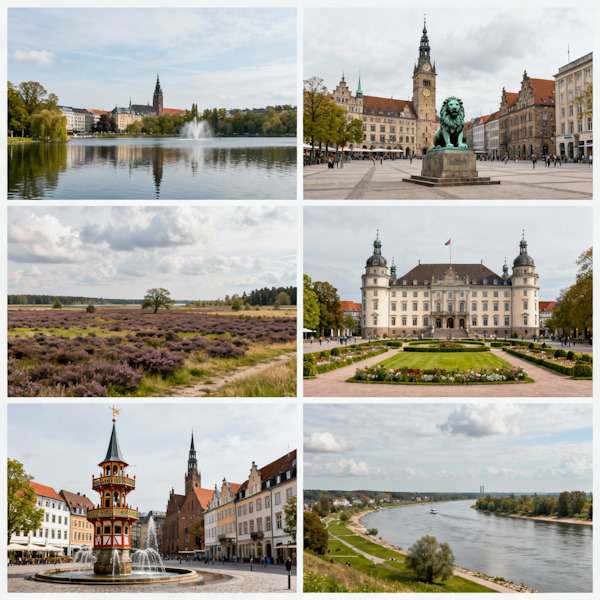
- Dankwarderode Castle and St. Blasii Cathedral: The historic ensemble at the Burgplatz reflects the ducal era and Henry the Lion’s legacy.
- Herzog Anton Ulrich Museum: One of Germany’s older art museums, with European painting, sculpture, and decorative arts.
- State Natural History Museum: Dinosaurs, minerals, and regional nature, popular with families and school groups.
- State Theatre (Staatstheater Braunschweig): Opera, drama, and dance in a classic setting that feeds the city’s cultural rhythm.
- Oker River ring: Green banks and paths that circle the center, great for walking, running, and quiet bike loops.
City information, venues, and events are listed on the official portal at braunschweig.de, which offers English pages for visitors and residents.
Economy and Industry
Braunschweig is a core node in Lower Saxony’s engineering and research corridor. The mix of public institutes, university labs, and supplier firms feeds jobs in testing, software, quality assurance, logistics, and advanced manufacturing.
- Automotive and mobility: Proximity to Wolfsburg means steady demand for engineers, technicians, and quality specialists in vehicle systems, tires, and components. Test tracks and labs support development and certification.
- Metrology and standards: National metrology activities located in the city underpin precision manufacturing, measurement science, and calibration services across Germany.
- Aerospace and robotics: Research groups work on flight systems, drones, and automation, often in collaboration with industry.
- Publishing, insurance, and services: Historic sectors continue in modern form, creating roles for project managers, analysts, IT staff, and multilingual support.
Education and Research
Universities and institutes shape the city’s daily life. The student population keeps cafés lively and laboratories busy.
- Technische Universität Braunschweig: A leading technical university with strong programs in engineering, mobility, and natural sciences. Explore degrees, labs, and events at TU Braunschweig’s website.
- Research institutes: National and state institutes focus on metrology, aerospace, food safety, and more, offering internships and research assistant roles.
Sports and Famous Clubs
Sports culture mixes traditional football, top-level basketball, and one of Europe’s most successful American football teams.
- Eintracht Braunschweig: The city’s historic football club with passionate supporters and a deep rivalry culture. Matchdays shape the atmosphere around the stadium and center.
- Basketball Löwen Braunschweig: Regulars at the top level of German basketball, drawing families and students alike.
- New Yorker Lions: The American football team based in Braunschweig, a powerhouse in the German Football League with multiple national and international titles.
Local athletics, rowing, and hockey clubs thrive along the Oker and in neighborhood facilities, making it easy to join regular training or casual leagues.
Notable People Linked to Braunschweig
The city has produced or hosted influential scientists, writers, rulers, and artists.
- Carl Friedrich Gauss: Born in Brunswick, the mathematician transformed number theory, geometry, and geodesy, and later worked in Göttingen.
- Henry the Lion: The 12th century duke whose building program and patronage helped forge the city’s medieval identity.
- Gotthold Ephraim Lessing: Enlightenment writer and critic who worked in the region and left a lasting mark on German letters.
- Richard Dedekind: Mathematician from Brunswick, known for foundational work on real numbers and algebra.
- Modern cultural figures: Musicians, actors, and designers connected to the city continue to shape contemporary German culture.
Key Historical Events
A few turning points help explain the present-day city.
- Medieval expansion under Henry the Lion: Castles, churches, and markets established the city’s long-term shape.
- Hanseatic-era trade: Merchant networks integrated the city into North Sea and Baltic commerce.
- 19th century industrial growth: Railways and factories reshaped work and class life, creating modern districts.
- War damage and reconstruction: Post-1945 rebuilding combined modern planning with conservation of essential landmarks.
- Research-driven modernization: Late 20th century investment created today’s cluster of institutes and high-precision industries.
Neighborhood Snapshot
Housing varies by street, but three patterns repeat: lively inner districts, calm residential edges, and family-friendly suburbs with quick bus links.
- Östliches Ringgebiet: Leafy streets, fast access to the center, and reliable buses. Popular with students and researchers.
- Innenstadt and around: Walkable, close to shops, theatres, and museums. Expect higher demand for listings.
- Riddagshausen area: Quieter, with nature reserves and monasterial heritage nearby. Confirm late bus frequencies.
Local Culture and Everyday Norms
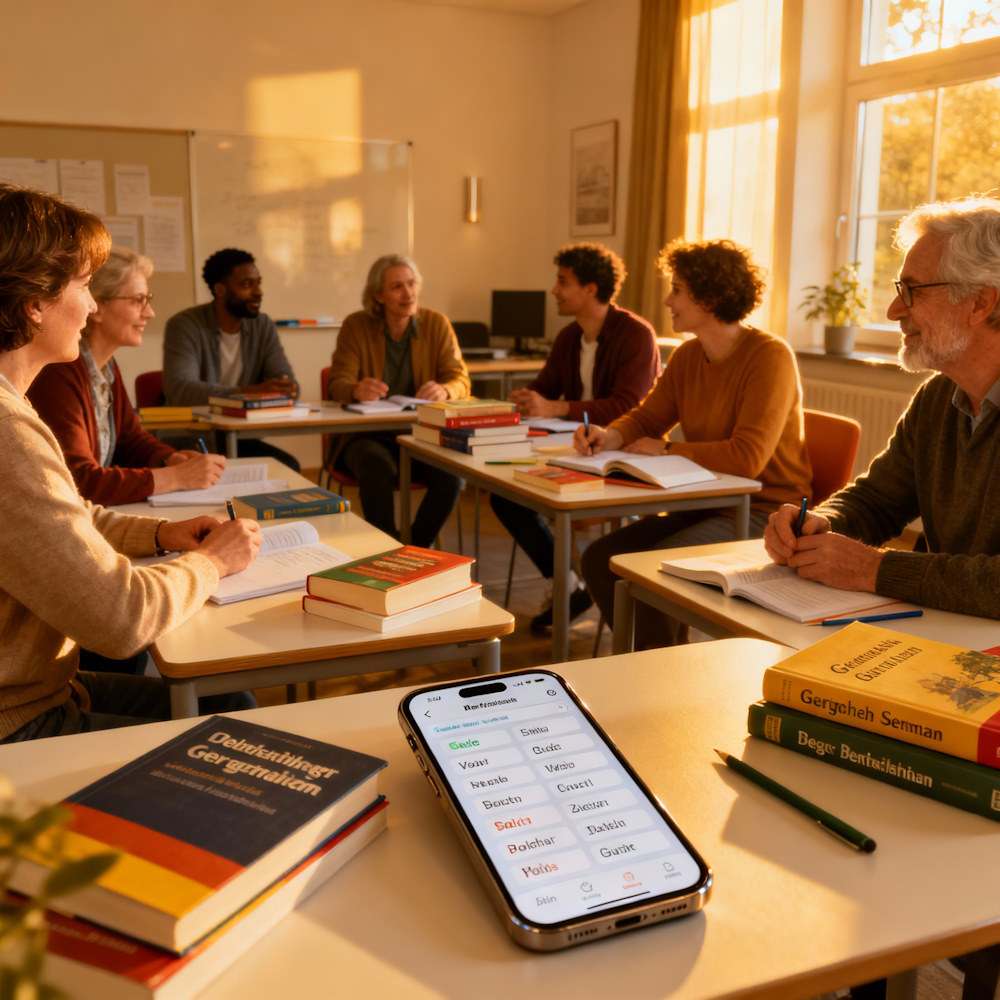
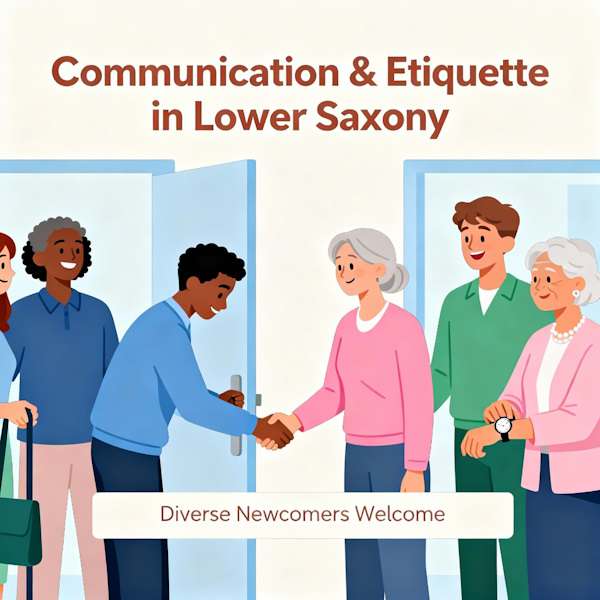
Braunschweig favors straightforward communication, punctuality, and respect for quiet hours. Neighbors value a friendly greeting, staircase etiquette, and clear messages when hosting gatherings. Volunteer groups, sports clubs, and language tandems are easy ways to build a circle.
Read more: Everyday neighbor etiquette, quiet hours, and invitations in Lower Saxony
Getting Around
Most daily trips combine walking, cycling, and buses, with regional trains for intercity routes. If you work in Wolfsburg or study in Hannover some days, test door-to-door times during real rush hours before signing a long lease. Bike ownership is common; invest in lights and a sturdy lock, then learn the safest routes along the Oker ring.
For state-wide travel tactics, tickets, and savings, you can also look at our broader orientation on choosing a base city and planning regional routes in Lower Saxony.
Newcomer Essentials: First-Month Checklist
Use this short list to make your first weeks simpler in Braunschweig.
- Documents and registration: Scan your ID, rental contract, and insurance card. Save them in a secure cloud folder and on your phone.
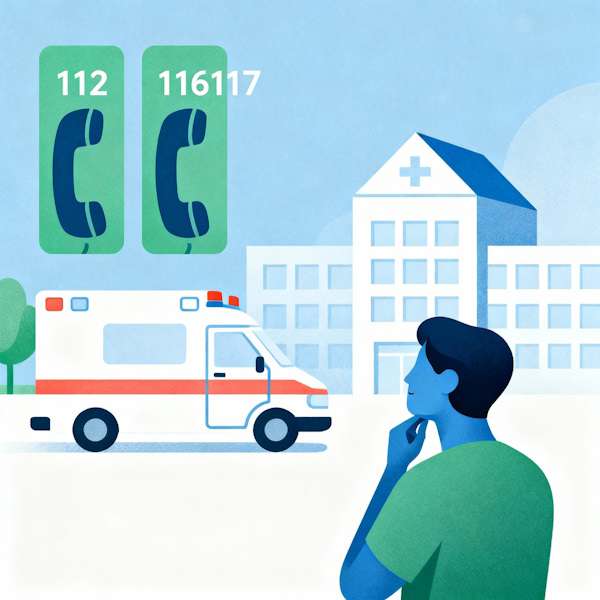
- Healthcare basics: Note your nearest clinic and pharmacy. For life-threatening emergencies call 112, and for after-hours non-emergency help dial 116117 to reach the medical on-call service. For a full overview of services, see our statewide health guide.
- Clubs and community: Join a sports or volunteer club to meet locals and practice German. Our primer on joining clubs in Lower Saxony explains how sign-ups and fees work.
- Shopping rhythm: Plan groceries around Sunday closures and return deposit bottles to recover the Pfand. For savings tips, see smart grocery shopping for newcomers.
Events and Traditions
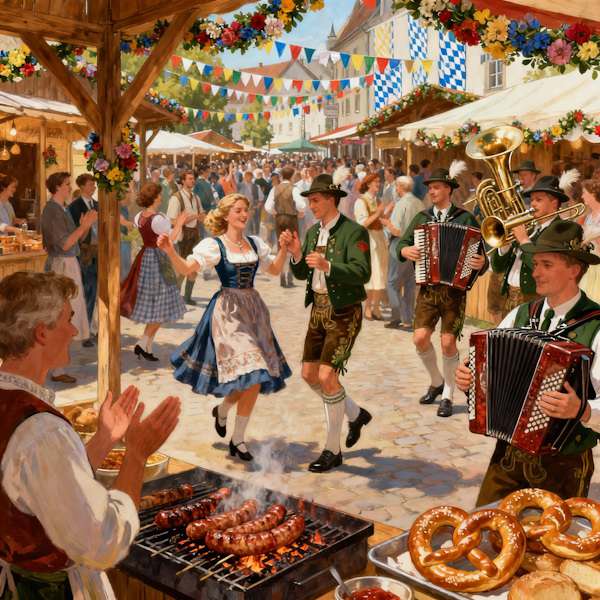
Seasonal fairs, theatre nights, and sports fixtures shape the city’s calendar. Street festivals and cultural weekends draw families into the center, while student events keep evenings lively near campus. If you want a quick introduction to statewide traditions, browse our overview of festivals and community events across Lower Saxony.
Quick Facts and Next Steps
- Population: approximately 250,000 in the city, larger in the metropolitan corridor.
- Strengths: research density, engineering cluster, museums, theatres, and green river loops.
- Best for: students and professionals in STEM fields, families who want city services with quick access to nature.
- Plan next: Time a real commute, shortlist two neighborhoods, and compare rent with transport savings before signing.
With historic landmarks, serious science, and energetic sports culture, Braunschweig offers a complete urban life in manageable scale. Start with a weekend museum visit, a bike loop along the Oker, and one live match, then set up your routines for study or work. The essentials you build in month one will make the rest of your year smoother.