
Moving to a new place is exciting, but it also means updating health basics. In Lower Saxony, preventive care is a routine part of everyday life. Vaccinations, regular check-ups, cancer screenings, and dental prophylaxis help you stay well and avoid emergencies. This guide explains what to do, when to do it, and how to book appointments, especially if you are new to Germany and still learning the system.
If you are insured with a statutory health fund, most preventive services have no extra cost. Private insurance also covers many of them, although the process can differ. Even if you are waiting for your insurance card or still comparing options, knowing the standard schedule will help you plan ahead and feel confident about your health in Lower Saxony.
How Prevention Works in Germany
Germany emphasizes prevention. The national vaccination recommendations and screening schedules are widely followed by general practitioners, pediatricians, gynecologists, urologists, and dentists. In Lower Saxony, you can book appointments directly with a doctor’s practice or use centralized services to find available slots in your area.
For newcomers, a family doctor, called Hausarzt, is your first contact. They coordinate referrals to specialists and keep an overview of your preventive care. Keep your vaccination booklet, called Impfausweis, with you. If you do not have one, ask your doctor’s practice for a new booklet and bring any previous records or certificates you can find.
What Your Health Insurance Typically Covers
Statutory health insurance in Germany usually covers standard vaccinations and periodic screenings without additional charges. Coverage details may vary by insurer, but as a rule, childhood vaccinations, adult booster shots, flu shots for at-risk groups, and cancer screenings at certain ages are included. If you have private insurance, check your policy, as reimbursement models can differ. Students, employees, and family members with residence status in Lower Saxony are commonly enrolled in statutory plans that make prevention straightforward.
If you are still choosing an insurer or waiting for your membership number, you can still speak to a practice and ask which documents they need for preventive appointments. Many practices will schedule your visit and verify insurance on the day of the appointment.
Adult Preventive Check-Ups: What to Expect
Most adults start with a general health check at their Hausarzt. This appointment reviews blood pressure, risk factors, family history, and lifestyle habits. Depending on your age, your doctor may add lab tests, cardiovascular risk assessments, or screening recommendations. If you have a chronic condition such as diabetes or hypertension, ask about structured programs that offer regular monitoring and counseling.
- General health check: Periodic check for cardiovascular risk, blood pressure, and basic labs depending on age and risk profile.
- Vaccination review: Your doctor reviews your Impfausweis and recommends catch-ups or boosters.
- Lifestyle counseling: Smoking cessation, physical activity, nutrition, and sleep hygiene are discussed as needed.
Bring a list of any medications you take and any known allergies. If you recently moved from another country, note the dates and names of previous vaccines in your booklet, even if you do not have official proof. Your doctor can still give advice and may recommend repeating certain shots if documentation is unclear.
Women’s Health Screenings
Gynecologists in Lower Saxony offer routine cervical cancer screening, breast examinations, contraception counseling, and pregnancy care. If you are new to Germany, you can register directly with a gynecologist, even without a referral.
- Cervical screening: Regular Pap or HPV-based screening according to national intervals.
- Breast health: Clinical breast exams in routine visits and, from the eligible age group onward, organized mammography invitations may be sent to your address.
- Reproductive health: Contraception counseling, STI testing when indicated, and preconception advice.
If you are pregnant or planning pregnancy, early contact with a gynecologist and midwife is recommended. Ask about maternity check-ups, ultrasound schedules, and vaccination updates, including pertussis during pregnancy according to current recommendations.
Men’s Health Screenings
Urologists and Hausärzte offer men’s preventive services. If you have a family history of prostate or colorectal cancer, tell your doctor so they can adapt timing and referral pathways. Men in Germany also receive age-based invitations or recommendations for specific screening steps.
- General check-ups: Blood pressure, cardiovascular risk, and lifestyle counseling at the Hausarzt.
- Urological health: Symptom-based examinations and counseling about age-appropriate cancer screening.
- Digestive health: Stool tests or colonoscopy based on age and risk, arranged via the family doctor or a gastroenterology practice.
Dental, Eye, and Hearing Care
Dentists in Lower Saxony provide semi-annual check-ups and professional cleanings. Basic preventive examinations are typically covered by insurance; ask your practice which services are included and which require co-payments. Children receive special preventive programs that track tooth development and teach brushing techniques.
For vision, opticians and ophthalmology practices can check your eyesight and eye health. If you notice changes in your vision, headaches, or eye strain, schedule an appointment. For hearing, ear-nose-throat specialists can perform quick assessments, and hearing aid providers can arrange detailed tests when needed.
Vaccinations You Should Know About
Germany follows national recommendations for vaccinations across the life course. Your doctor will tailor advice to your age, health, and previous immunization history. Typical topics include tetanus and diphtheria boosters, pertussis updates, measles immunity checks, influenza vaccination each autumn for at-risk groups, and other vaccines depending on your situation.
- Basic adult boosters: Tetanus and diphtheria at recommended intervals, with pertussis as a booster in adulthood.
- Measles protection: If you lack clear proof of measles immunity, your doctor may recommend vaccination. Proof is particularly important for childcare, school, and some workplaces.
- Seasonal influenza: Annual flu vaccination in autumn is advised for many people, including those with chronic conditions.
- Additional vaccines: Depending on age and risk, your doctor may discuss pneumococcal, HPV, shingles, or travel-related vaccinations.
For reliable background information about vaccines in Germany, you can learn more on the Robert Koch Institute’s vaccination pages. See official vaccination information from the RKI for an overview in English.
Children and Adolescents: Check-Ups and Vaccines
In Lower Saxony, pediatricians track growth and development through organized visits, often called U-exams. These include physical exams, developmental screening, vision and hearing checks, and vaccination updates. Keep your child’s U-Heft (child health booklet) and vaccination card together and bring them to every appointment.
Infant and Early Childhood Visits
During the first years, U-exams are frequent. The pediatrician monitors growth curves, motor skills, language development, nutrition, and sleep. Parents receive practical advice about breastfeeding or formula, safe sleep, fever care, and introducing solid foods. Vaccinations are scheduled across these visits so you do not need separate appointments, unless your doctor recommends a different timing.
Preschool and School-Age
As children grow, visits become less frequent but remain important. Doctors review school readiness, vision and hearing, posture, and emotional well-being. For children entering childcare or school, proof of measles immunity is required. If you recently moved to Lower Saxony, ask your pediatrician to review your child’s records and plan any catch-up vaccinations.
Adolescents
Teenagers have their own preventive milestones, including counseling on mental health, physical activity, media use, and sexual health. Doctors may also discuss HPV vaccination for eligible age groups and offer guidance about sports medical checks if your child joins a club team.
How to Book Preventive Appointments
You can call a practice directly, book through their website, or use centralized services that help you find appointments near you. If you are unsure which doctor to see, start with a Hausarzt. They can review your needs and coordinate referrals to gynecology, urology, pediatrics, or dentistry.
- Find a practice: Search by city or postcode. Many practices list languages spoken and whether they accept new patients.
- Prepare documents: Bring your eGK insurance card if you have it, passport or ID, and any previous medical records or vaccination notes.
- Explain your goal: Say you are a new patient and want a preventive check-up or vaccination review. Mention any symptoms or risks.
- Follow-up: If you need lab tests or additional shots, schedule the next visit before you leave the practice.
You can also use the nationwide medical appointment service. It offers easy access to primary care and many specialists. Visit 116117’s official appointment service to search for available slots.
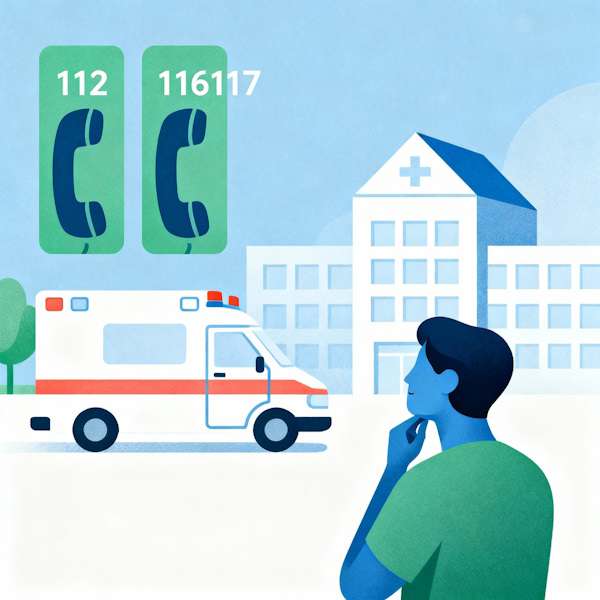
Read more: Understand when to call 112, use 116117, or go to a hospital in Lower Saxony
What If You Are Missing Records or Unsure About Past Vaccines
This is common for newcomers. If you do not have your Impfausweis or cannot access records from your previous country, talk to your doctor. They may recommend specific catch-up vaccinations that are safe to repeat. In some cases, a blood test for immunity can be useful, but catch-up vaccination is often simpler and cost-effective.
Bring any partial documentation you have, such as old school papers, immigration medical records, or photos of previous vaccine pages on your phone. Your practice can transcribe details into a new Impfausweis and create a schedule to complete missing doses.
Students, Researchers, and Short-Term Visitors
Oldenburg, Hannover, Göttingen, and other cities in Lower Saxony host many international students and researchers. If you are here for a degree or a research stay, preventive care is still recommended. Campus health services and local doctors can help you register, review your vaccination status, and book check-ups that fit your schedule.
- If you just arrived: Prioritize a Hausarzt registration and a vaccination review. Ask your student office for lists of English-speaking doctors nearby.
- If you travel often: Keep a digital copy of your Impfausweis. Ask your doctor for travel vaccine advice well before you go abroad.
- For lab or hospital rotations: Confirm required vaccines with your program coordinator, especially for measles, hepatitis, and others relevant to clinical environments.
If you are navigating the broader health system for the first time, you may also find our general guide helpful, including how to choose doctors and pharmacies.
Explore practical basics here: Everyday health, doctors, pharmacies, and insurance in Lower Saxony.
Seasonal Health Tips for Lower Saxony
Autumn and winter bring respiratory infections. Many people get a flu shot in October or November. If you are eligible for additional vaccines based on age or chronic conditions, your Hausarzt will recommend them. In spring and summer, tick awareness is helpful in forests and parks. Wear long trousers for hikes, check your skin after outdoor activities, and remove ticks promptly with a tick card or tweezers.
- Cold and flu season: Wash hands regularly, ventilate rooms, and stay home if you have a fever.
- Allergies: Birch and grass pollen can be strong in some areas. Ask your doctor about antihistamines or nasal sprays if symptoms persist.
- Heat waves: Drink enough water, use sunscreen, and check on elderly neighbors during hot days.
Mental Wellbeing Is Part of Prevention
Prevention is not only physical. Stress, sleep problems, or anxiety affect overall health. Your Hausarzt can discuss coping strategies and refer you to counseling or therapy. Many universities and community centers offer low-barrier support. If you notice persistent stress symptoms, consider a preventive talk with your doctor rather than waiting for a crisis.
For a deeper guide to services and self-care ideas, see our dedicated article: Mental health services, self-care, and where to get help in Lower Saxony.
Costs, Language, and Accessibility
Most preventive services are free at the point of care for people with statutory insurance. If you are uninsured or between plans, ask the practice about private rates in advance. Many practices in Lower Saxony can accommodate English, and sometimes other languages, especially in university towns. If you need an interpreter, bring a trusted person or ask the practice whether they support phone interpretation services.
- Before the visit: Confirm what to bring and any fees that might apply to optional services.
- During the visit: Ask for simple explanations. Doctors are used to newcomers and will help you understand the plan.
- After the visit: Request written instructions, especially for vaccination schedules and follow-up dates.
Keep Your Health Documents Organized
Good organization saves time. Store your eGK insurance card, Impfausweis, and any lab results in one place. Take photos of key pages, especially vaccination entries and the first page of your Impfausweis. If you change doctors or move within Lower Saxony, having digital copies makes continuity of care easier.
- Paper + digital: Keep physical booklets safe and photograph updates on the same day you receive them.
- Reminders: Add calendar reminders for future booster dates, check-ups, and dental cleanings.
- Family folders: Create one folder per family member so children’s U-Heft and vaccine cards never get mixed up.
When to Seek Urgent Help Instead of Waiting
Preventive care reduces risks, but emergencies can still happen. If you have severe chest pain, difficulty breathing, heavy bleeding, or sudden weakness in the face or limbs, call 112 immediately. For urgent but non-life-threatening issues after hours, use 116117 for the medical on-call service. These services operate across Lower Saxony and are designed for quick access to the right level of care.
Key Takeaways and Next Steps
Prevention in Lower Saxony is practical and accessible. Choose a Hausarzt, bring your documents, and plan a vaccination review. Book dental and eye check-ups, and ask about cancer screening when you reach the recommended ages. If you have children, schedule their U-exams and ensure measles protection is documented for school or childcare. Add reminders to your calendar so boosters are never missed.
- Register with a Hausarzt and book a general preventive check.
- Review or rebuild your vaccination record, then follow the plan.
- Schedule dental cleanings and age-based screenings.
- Use 116117 to find appointments if practices are full.
- Keep documents tidy and set reminders for future boosters.
With these steps, you will be aligned with the prevention culture in Lower Saxony and ready to enjoy life here with greater peace of mind.