Local festivals are a big part of everyday life in Lower Saxony. They bring neighbours together, celebrate regional traditions, and offer newcomers an easy way to meet people outside classrooms or offices. Whether you are in a small town or a university city, you will find seasonal markets, street fairs, club parades, and music stages that turn ordinary weekends into memory-making days.
This guide explains the main types of events you will encounter across the region, how to join them respectfully, and what to expect when you go with friends or family. You will learn practical tips for invitations, gifts, dress, and conversation, along with advice for quieter visitors who prefer low-stress ways of getting involved. By the end, you will have a clear plan to say yes to your next community invitation and enjoy it with confidence.
What Makes Festivals in Lower Saxony Special
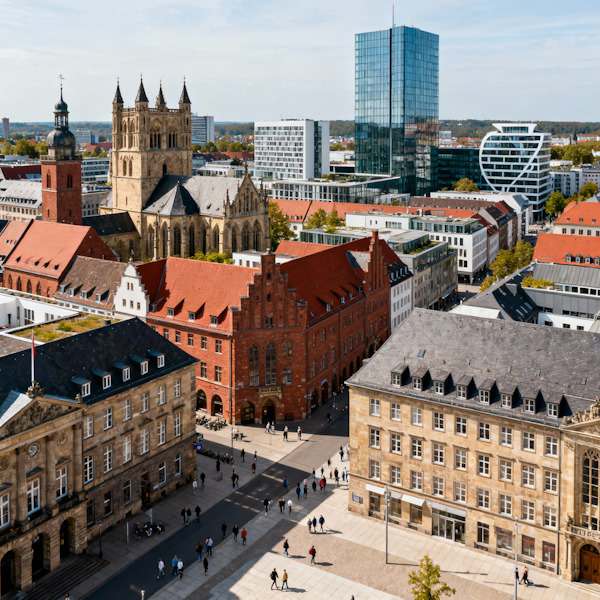
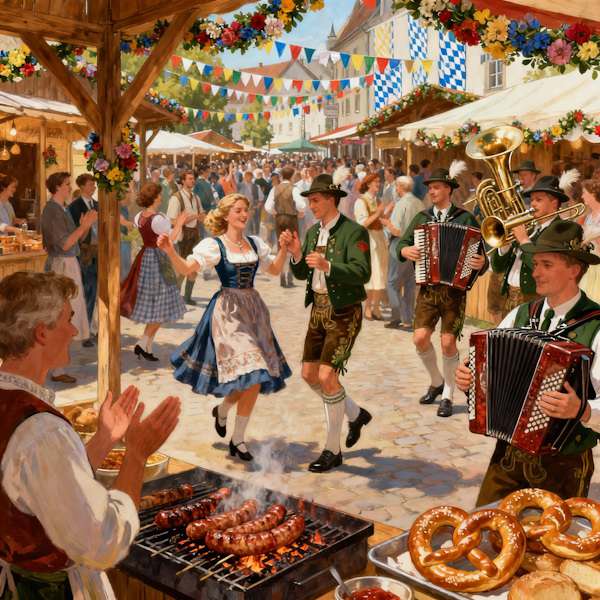
Festivals here mix old traditions with modern community life. You will see brass bands and pop music on the same day, regional foods next to international street kitchens, and historical costumes alongside football jerseys. Cities like Hannover, Oldenburg, and Göttingen host major events, but small towns also organize impressive local fairs with rides for children and stands run by volunteers from clubs, churches, and neighbourhood groups.
For newcomers, these events are a friendly classroom for local culture. You can practice German in short conversations, try regional dishes, and learn how different groups work together to make public life warm and welcoming. Many events are free to enter, and you can come and go as you like.
Key Event Types You Will See
Most festivals and community events fit into a few simple categories. Knowing these helps you choose what suits your interests and schedule.
- Schützenfest – Traditional marksmen’s festivals with parades, music, rides, and community awards. The best known is in Hannover, but many towns have their own version with local flavour.
- Stadtfest and Dorffest – City and village fairs that turn central streets into pedestrian zones with food, crafts, and stages for dance or rock bands.
- Kirchweih and heritage days – Events linked to local history, churches, or farms. You will often see craft demonstrations, regional costumes, and children’s activities.
- University and student events – Campus festivals, cultural nights, and international days organized by student groups. These are great places for newcomers to meet peers.
- Seasonal markets – Spring, summer, and autumn markets with flowers, crafts, and local honey or cheese. In winter, many towns host festive markets with lights and warm drinks.
- Sports and club days – Open-air tournaments, charity runs, and club open houses where you can try volleyball, rowing, or choir singing and talk to coaches.
If you want to see a calendar overview, check the official tourism portal for inspiration and planning. The event pages on Niedersachsen tourism often highlight fairs and festivals across the state.
Schützenfest, Explained in Simple Steps
Many newcomers hear the word Schützenfest and are not sure what it includes. Think of it as a family-friendly fair plus a community parade. The focus is not on weapons in everyday life, it is on a historic marksmen’s club tradition that now functions as a social and cultural event.
Parade and Community
On parade day, clubs march through the town with bands and colourful uniforms. Residents line the streets to wave and cheer. You can stand anywhere along the route, take photos, and clap. If a neighbour invites you to watch from their balcony or garden, a small snack or a bottle of juice as a thank you is appreciated.
Fairground and Food
Expect rides, games, and food stands with grilled sausages, potato pancakes, pretzels, and international foods. Many families visit in the afternoon, while students and colleagues might meet after work. If the event is big, strollers and prams are still common during the day, but evenings can be crowded. Choose earlier hours if you prefer a calmer atmosphere.
How to Join Respectfully
Dress comfortably, bring small cash in addition to a card, and follow signs, especially for glass-free zones. Keep music from your phone low and do not block the parade path. If you meet club members in uniform, a friendly “Hallo” or “Guten Tag” is perfect. If you want to learn more about the tradition, ask short, polite questions such as “Können Sie mir kurz erklären, was Ihre Gruppe macht?” A smile goes a long way.
The best-known event is in the state capital. For background, you can read a short overview on the city’s pages about the Hannover Schützenfest.
Food, Drinks, and Local Tastes
Food is a friendly way to connect. Stands are run by local families, clubs, or small businesses. Prices are usually posted clearly, and you can order by pointing at the menu if you do not know the exact words yet. If you prefer halal, vegetarian, or non-alcoholic options, you can still enjoy a lot of choice at larger events with international kitchens.
- Cash or card: Big events take cards, but smaller stands may prefer cash. Bring coins for children’s games.
- Sharing taste: If a friend offers you a bite of something new, it is fine to say yes or no politely. You can also ask, “Ist es scharf?” if you need to avoid spicy food.
- Allergies: Ask vendors about ingredients. Learn simple phrases like “Ich bin allergisch gegen Nüsse” so you can stay safe.
Invitations, Punctuality, and Polite Behaviour
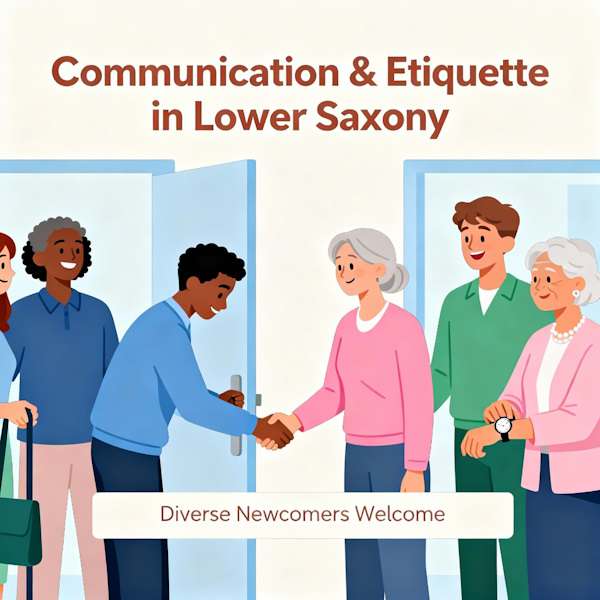
When friends or neighbours invite you to meet at a festival, punctuality still matters. If you are late, send a short message. When you arrive, greet the group with a friendly hello and brief handshake or nod, and then join the conversation. For more on everyday communication, see our guide to politeness and punctuality in Lower Saxony.
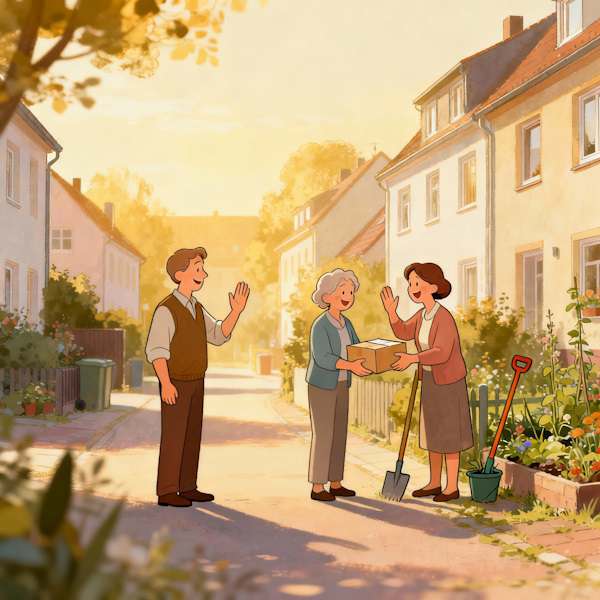
If you are invited to a private gathering near a festival, such as a backyard barbecue before the parade, a small host gift is thoughtful. Flowers, a bakery dessert, or fruit juice fits well, especially if the host does not drink alcohol. If you must leave early because of public transport or family needs, say thank you and goodbye to the host before you go.
Read more: Practical habits for peaceful neighbour relations in Lower Saxony
Dress Codes and Comfortable Choices
There is no strict dress code for most fairs. Comfortable shoes are essential because you will walk a lot. Bring a light jacket for the evening and a small umbrella in spring or autumn. If you join a club or volunteer group in the future, they may have a shirt or scarf for members, but for your first visits, casual is fine.
- Family daytime: Casual jeans, sneakers, and a sweater or hoodie.
- Evening concerts: Same as daytime, with an extra layer for wind or rain.
- Parade watching: Comfortable shoes, a small bag only, and keep the pavement clear for marching groups.
Meeting People Without Stress
Large events can feel noisy. If you prefer calmer spaces, go earlier in the day and choose a meeting point a little away from the main stage. Most festivals have seating areas near food stands, and many towns add quiet corners with benches under trees. Bring ear protection for small children if you expect loud music or fireworks.
Conversation starters can be simple. Ask about a food recommendation, compliment a band, or comment on a street performance. People will usually respond warmly, and if the conversation ends quickly, that is normal at a busy event. Smile, wave goodbye, and move on to the next stand when you are ready.
Inclusive Behaviour and Respect for Differences
Community events bring together people with different religions, cultures, genders, and abilities. Respecting personal space, avoiding stereotypes, and using inclusive language make the experience better for everyone. If you are unsure about a gesture or comment, observe how others behave and follow the local example. For more detailed guidance, visit our article on respecting cultural and religious diversity.
Accessibility is improving across Lower Saxony. Many festivals provide ramps, accessible toilets, and information booths to help visitors. If you or a friend needs assistance, ask staff at the nearest stand or information tent. People are usually glad to help find a quiet route or a better viewing spot.
Family Tips, Safety, and Lost Property
Festivals are generally safe, but simple planning helps. Take a photo of your child’s outfit each day so you can describe it if you become separated. Agree on a meeting point in case your phone battery runs out. Write your phone number on a small card in a child’s pocket. If you lose something, check the information booth before you leave, then the town’s lost and found office in the days after.
- Sun and rain: Bring sunscreen and a cap for summer, an umbrella or raincoat for spring showers.
- Hydration: Refillable bottles are welcome at many events. Look for public fountains or ask vendors for tap water.
- Transport: Buses and trams often run extra services. If you plan to stay late, check the last connection in advance.
Volunteering and Joining In
Most festivals rely on volunteers. If you would like to help, ask at the information tent, follow the town’s social media pages, or speak to a club stand. Typical tasks include setting up tables, guiding visitors, collecting litter, or helping with a children’s game. Volunteering is an easy way to improve your German and make local friends.
Later, you might join a club that organizes part of the festival. Choirs, music bands, sports teams, and cultural associations always welcome newcomers. Membership fees are usually modest, and you will receive schedules, uniforms or shirts, and invitations to members’ events.
Budget-Friendly Festival Planning
Festivals can be free to enter, but costs can grow with food, rides, and souvenirs. Set a budget before you go, especially with children. Choose one special treat each, share a portion of fries or a dessert, and limit rides to a small number. Many events include free stages and street theatre, which can entertain everyone for hours at no cost.
- Bring snacks: Fruit and water can reduce spending and keep children happy between stands.
- Use day tickets: If you travel by bus or tram, a day ticket can be cheaper for groups.
- Look for discounts: Some rides have family hours with lower prices in the afternoon.
Environmental Habits at Events
Lower Saxony takes recycling and cleanliness seriously, even during big parties. Use the right bins for paper, packaging, and residual waste. Return deposit cups or bottles to stands to get your deposit back and reduce litter. Carry a small cloth bag for souvenirs so you do not need extra plastic bags.
If you picnic near the festival area, keep music low, clean up completely, and avoid glass near playgrounds. These habits make a good impression and protect the community spaces you will enjoy again next weekend.
When Events End, Keep the Connections
After a festival, follow your new contacts on social media, or invite them for coffee at a quiet time the following week. Send a message to thank a neighbour who saved you a seat at the parade or recommended a great food stand. These simple actions turn a brief meeting into a growing friendship network.
If you felt unsure at times, that is normal. Culture is learned step by step. Each event teaches you a few new words, customs, and shortcuts for next time. With practice, you will soon be the person who explains the parade route to the next newcomer.
Quick Checklist Before You Go
- Check the event schedule and choose a calm meeting point.
- Bring small cash, water, and a light jacket.
- Wear comfortable shoes and keep hands free for food and photos.
- Learn a few phrases for ordering and asking simple questions.
- Set a budget, plan your return trip, and agree on a meeting spot.
- Be friendly, patient, and curious, then follow local examples.
Final Encouragement
Festivals and community events in Lower Saxony are open doors to friendship and belonging. Start with one small visit, a daytime walk through a street fair, a short stop at a club stand, or a coffee near the parade. Smile, say hello, and try one new food. With every small step, you will feel more at home and more connected to the people and places around you.