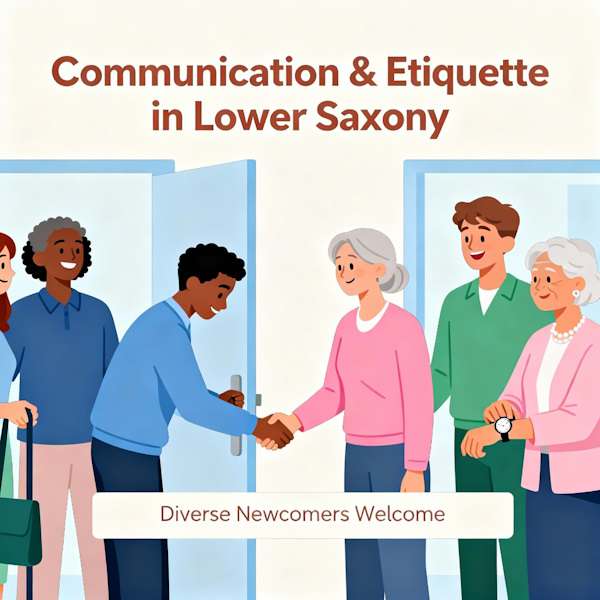
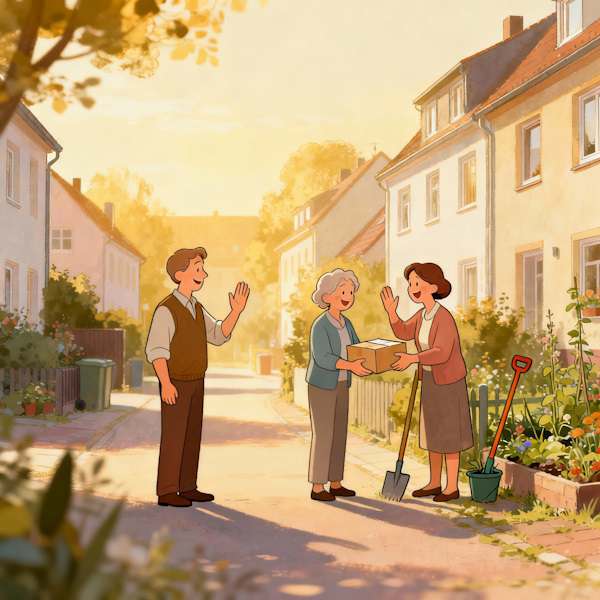
Settling into a new home is not only about keys, contracts, and furniture. It is also about the rhythm of daily life around you. In Lower Saxony, neighbourly relations are shaped by clear but friendly expectations about quiet hours, shared spaces, punctuality, and respectful communication. Understanding these unwritten rules helps you avoid misunderstandings, make a good first impression, and feel at home faster.
This guide offers practical, everyday advice for apartment houses, student housing, and family neighbourhoods across Lower Saxony. You will learn how to navigate building rules, what to expect when you are invited to someone’s home, and how to show courtesy in public spaces. The goal is simple, make community life easier for you and your neighbours.
Why Neighbourhood Culture Matters
Neighbourhood culture affects your comfort and your relationships. When you know the basics, people quickly see you as considerate and reliable. You will also feel confident when you greet neighbours, use shared facilities, or plan a small celebration at home. These small habits are part of the wider culture of Lower Saxony, where people value order, clarity, and politeness in everyday interactions.
Even if you make mistakes at first, do not worry. Most neighbours appreciate a polite apology and a willingness to adapt. A friendly greeting in the staircase or courtyard can turn strangers into helpful contacts who share local tips, recommend services, and sometimes become friends.
Quiet Hours and House Rules
Many buildings in Lower Saxony display a Hausordnung, the house rules. They typically include quiet hours, waste disposal, cleaning responsibilities, and the use of shared areas. Quiet hours are not meant to stop everyday life, they aim to protect rest and respect for everyone living close together.
Night Quiet Hours
As a general rule, keep noise low late at night and in the early morning. Sound travels easily through older buildings, so close doors gently, avoid moving heavy furniture late at night, and reduce the volume of music or television. If you work shifts, use headphones and soft-close techniques to avoid waking others.
Sundays and Public Holidays
Sunday is considered a quiet day in Lower Saxony. Many shops are closed, and neighbours expect a calm atmosphere. Avoid drilling, hammering, or loud DIY on Sundays and public holidays. If you must do something that makes noise, speak to your neighbours in advance and choose a short time window during the day.
Parties and Special Occasions
If you plan a birthday, a small family gathering, or a cultural celebration at home, inform your neighbours a few days before. A simple note in the stairwell with your flat number and an approximate end time shows respect. Ending loud music by late evening and closing windows reduces disturbance. If someone knocks to ask for quiet, respond kindly and turn the volume down.
Read more: Polite communication and punctuality basics for everyday life in Lower Saxony
Shared Spaces in Apartment Houses
Apartment buildings often include shared stairwells, courtyards, bicycle rooms, laundry rooms, and waste collection areas. Good manners here protect safety and cleanliness, and they also reduce conflict.
Stairwells and Entrances
Keep stairwells clear for safety. Do not block passageways with prams, boxes, or shoes if your building rules ask for clear floors. If a parcel is mistakenly delivered to you for a neighbour, write a note and place it safely behind your door until you can hand it over. Wiping your shoes on wet days and briefly drying a wet umbrella before entering helps keep floors clean.
Bicycles and Prams
Use bicycle rooms or designated racks. If everyone locks bikes neatly with handlebars aligned, there is room for more. Avoid blocking exits or emergency routes with bikes or prams. When you return home late, roll bikes quietly and avoid banging doors.
Waste Sorting and Collection
Many buildings provide separate bins for paper, packaging, organic waste, and residual waste. If your building includes glass containers, take bottles there at reasonable times, not early morning or late at night. Always break down cardboard boxes so they do not overflow. Tying garbage bags securely and closing the lid properly helps prevent odours and keeps the area tidy.
Laundry Rooms and Drying Areas
Some houses have shared washing machines or drying rooms. If there is a schedule, write your name clearly and respect time slots. Remove clean laundry quickly so the next person does not wait. Lint filters and small messes should be cleaned right away, so the room stays pleasant for everyone.
Greetings, Introductions, and Small Talk
Friendly greetings create a positive atmosphere. When you meet neighbours in the staircase or courtyard, say a quick “Hallo” or “Guten Tag.” If you do not know someone’s name, it is fine to introduce yourself simply and repeat your flat number. Over time, this small gesture opens doors to helpful exchanges about local services, schools, or events.
Small talk topics that work well include the weather, the building, the local bus or tram, nearby parks, seasonal events, and tips for shopping or recycling. Avoid very personal questions at first. People in Lower Saxony tend to warm up gradually, and politeness helps everyone feel comfortable.
Invitations and Being a Guest
Receiving or giving a home invitation is a big step toward friendship. It shows trust and interest in getting to know each other better. Clear communication makes everything easier, especially if you are still learning German.
How to Accept or Decline
Respond as soon as you know your schedule. If you cannot attend, a polite message is enough. If you have allergies or dietary preferences, inform your host early. People usually appreciate knowing if you eat vegetarian, avoid certain meats, or need a non-alcoholic option.
Timing and Punctuality
Punctuality is valued. If you are running late by more than a few minutes, send a quick message. Arriving on time shows respect for your host’s preparation. Leaving at a reasonable hour is also considerate, especially in apartment buildings where late-night noise travels easily.
What to Bring
A small host gift is common. Flowers, a sweet from a local bakery, or non-alcoholic drinks are appreciated. For children’s birthdays, ask parents before bringing food or sweets. If your culture includes a traditional treat, bringing a small sample is a friendly way to share your background.
Respecting Diversity and Belonging
Lower Saxony is home to people from many countries and traditions. When we respect different clothing, dietary practices, and religious observances, neighbourhoods become stronger and friendlier. If you are unsure about a topic, ask respectful questions or listen first. For practical tips on inclusive behaviour and local expectations, see our guide to respecting cultural and religious differences in Lower Saxony.
Inclusive habits are simple, learn and use people’s preferred names, avoid assumptions, and apologise if you make a mistake. Most neighbours value good intentions and patience while everyone adjusts to a shared home.
Public Spaces, Parks, and Transport
In public places, small decisions shape the shared atmosphere. On buses and trams, offer your seat to elderly people, pregnant passengers, or those with mobility challenges. Keep bags on your lap or between your feet so others can sit. When using a phone, speak quietly and use headphones for videos or music.
- Queues: Line up and wait your turn at kiosks, bakeries, and ticket machines. If someone was before you but stepped aside briefly, invite them to go first.
- Escalators: Stand on the right to let others pass on the left. Keep prams and suitcases close to you.
- Parks: Enjoy picnics and games while keeping music at a moderate level. Dispose of litter and keep glass away from play areas.
- Dogs: Use a lead where required and pick up after your dog. Many parks provide disposal bins.
Workplace and University Etiquette
At work or university, communication is often direct and task-focused, yet polite. Answer emails within a reasonable time, keep appointments, and let colleagues know early if you need to reschedule. Team meetings start on time and follow an agenda. Speaking clearly, listening without interrupting, and summarising action points at the end of a meeting make a strong professional impression.
In shared offices or libraries, low noise is expected. Use headphones for calls when possible and book quiet rooms for longer discussions. When you borrow equipment, return it in the same condition and place it back where others can find it.
Celebrations, Seasons, and Local Traditions
Lower Saxony has a rich calendar of seasonal moments. Spring brings festivals and outdoor markets. Summer invites barbecues in parks and along rivers, as long as local rules allow it. Autumn and winter include community gatherings such as lantern walks for children, charity markets, and winter fairs. Joining these activities helps you meet people and feel part of local life.
When attending a community event, check if there is an entrance fee, a donation box, or a bring-and-share table. Many volunteers organise these gatherings and appreciate small contributions of time or materials. If you are new, introduce yourself to organisers and ask how you can help next time.
Handling Conflicts Calmly
Conflicts happen in any community. The first step is a calm, private conversation. Explain the situation, listen to the other person, and propose a practical solution. For example, agree on a time window for vacuuming or using musical instruments. If a conversation feels difficult, write a short, polite note with your flat number and suggest a time to talk.
If issues continue, look for support. Building managers, tenant associations, or student housing offices can help mediate. The key is to focus on solutions rather than blame and to keep the tone respectful.
Checklist for Newcomers
- Read your building’s Hausordnung and note quiet hours, waste rules, and cleaning schedules.
- Learn the names of your immediate neighbours and greet them in the stairwell or courtyard.
- Use shared spaces thoughtfully, keep stairwells and bicycle rooms tidy.
- Inform neighbours in advance if you plan a gathering, and keep music moderate.
- Practice queueing, offer seats to those who need them, and keep phone calls short in public.
- At work or university, be punctual, respond to messages, and communicate clearly.
- Join local events to meet people and learn traditions across the seasons.
Where to Learn More
For a broader overview of living and working in Germany, including cultural tips, residence topics, and practical steps, explore the official portal Make it in Germany - Living in Germany. Combine that information with the local customs you see around you in Lower Saxony, and you will adapt quickly while keeping your own identity.
Putting It All Together
Neighbourhood life in Lower Saxony balances personal freedom with community respect. Quiet hours, tidy shared spaces, punctual invitations, and inclusive language are not rigid rules, they are tools that help people live closely together with comfort and fairness. Start with small actions, greet neighbours, read your building rules, and treat public spaces with care. If you are unsure, ask a friendly question. Most people will be glad to explain how things work in their house or street.
When you combine these habits with patience and curiosity, you will notice something important, everyday life becomes smoother, and your new home starts to feel like your place, too.