
Moving to a new place is exciting, but it can also be stressful. New language, different systems, and distance from family may lead to sleep problems, anxiety, low mood, or feeling overwhelmed. This guide explains how mental health care works in Lower Saxony, how to find help in English or other languages, and simple steps you can start today. It is written for students, workers, and families who are new to Germany and want clear, practical advice.
You will learn what to do in an emergency, who to contact for urgent support on evenings and weekends, how to book therapy, and what your public or private insurance usually covers. You will also find tips for managing stress during the first months of arrival, from building a daily routine to joining community activities.
Understanding Mental Health Care in Germany
Germany treats mental health as part of overall health. Psychotherapists, psychiatrists, and general practitioners work together. Many services are covered by insurance if they are medically necessary. You do not need to be ashamed to ask for help, because seeking support is normal and common. Providers are used to working with newcomers and international students.
There are three main professional roles you will see in Lower Saxony:
- General practitioner (Hausarzt) - your first medical contact. They can advise on common mental health symptoms, provide sick notes, and refer you to specialized care.
- Psychotherapist - provides talk therapy for depression, anxiety, trauma, or stress. There are different methods such as cognitive behavioral therapy or depth psychology. Therapists may offer sessions in English or other languages.
- Psychiatrist - a medical doctor specializing in mental health who can prescribe medication and coordinate treatment, especially when symptoms are moderate to severe.
In many cases you can contact a psychotherapist directly. Some practices still prefer a referral from your Hausarzt, which can also be helpful to discuss all your symptoms and rule out physical causes like thyroid problems or vitamin deficiencies.
What To Do in a Mental Health Emergency
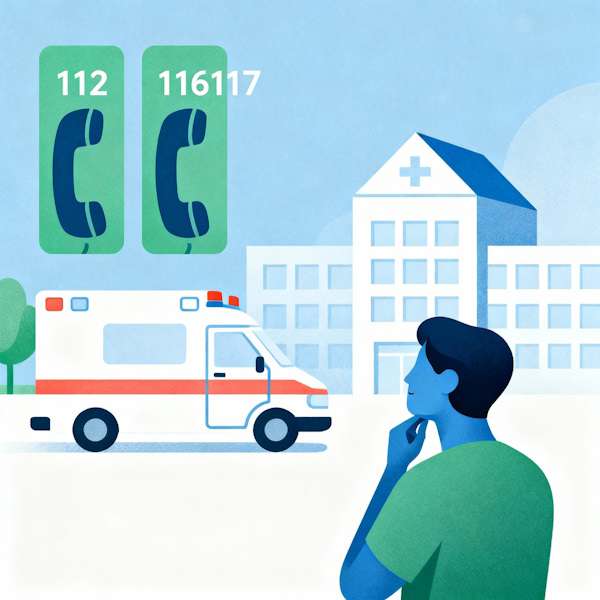
Emergency means immediate danger to yourself or others, uncontrollable panic, severe psychotic symptoms, or serious withdrawal symptoms. In these cases, do not wait. Call the European emergency number 112 or go to the nearest hospital emergency department. For urgent help when it is not life-threatening and your doctor is closed, call the nationwide medical on-call service at 116117. The service can guide you to out-of-hours practices or help you reach urgent care.
If you need someone to talk to confidentially right now, the free national helpline TelefonSeelsorge is open day and night and can connect in English in many cases: 0800 111 0 111 or 0800 111 0 222. You can also visit their website at telefonseelsorge.de for chat options.
Finding the Right Support in Lower Saxony
Finding a provider is often the hardest part. Many people feel better once the first appointment is on the calendar. Try these steps, and keep a simple notebook of who you contacted and when.
Step 1, Start with Your Hausarzt
Book a short appointment and describe your symptoms honestly, including sleep, appetite, mood, concentration, and stressors like housing or paperwork. Ask for a referral if needed, and for temporary support strategies such as a sick note, breathing techniques, or a medication discussion if appropriate.
Step 2, Search for Psychotherapists
Use search terms like “Psychotherapeut Englisch Oldenburg” or “Therapie Hannover Arabisch.” Many directories list languages and therapy methods. Write to several practices at once, because waiting times can vary. When you email or call, say your insurance type, language preference, and your availability during the week.
Step 3, Consider Community and University Services
If you are a student, your university likely offers psychological counseling free of charge and in multiple languages. These sessions are often short-term but can bridge the gap while you look for longer therapy. Community centers, migrant advice offices, and faith communities may also offer counseling or peer support groups at low cost.
Read more: A beginner’s guide to doctors, pharmacies, insurance, and everyday care
How Health Insurance Usually Covers Therapy
Public health insurance (gesetzliche Krankenversicherung) generally covers approved psychotherapy after an intake process. Private insurance coverage depends on your plan. Always ask your insurer and the practice about costs before your first session. Common points to know:
- Trial sessions - you can usually attend a few trial sessions, called “Sprechstunde” or “probatorische Sitzungen,” before a longer therapy begins.
- Approved methods - cognitive behavioral therapy and certain other methods are typically covered when medically justified.
- Referrals and forms - the therapist may apply for continued sessions to your insurer. You might need a referral from your Hausarzt or a medical check to ensure there are no other conditions causing symptoms.
- Language - if therapy in your first language is clinically important, discuss this with your provider and the insurer. Some insurers accept this justification.
If you cannot find a covered therapist in a reasonable time, some people apply for out-of-network coverage. This is a formal process and not always approved, but it can help when the waiting time is very long. Ask your Hausarzt or a counseling center to explain the steps and documents required.
Self-Care Foundations for Your First Months
Professional help is essential when needed, but small routines make a big difference. They reduce baseline stress and make therapy more effective. Try to choose two or three ideas below and keep them for two weeks before you add new ones.
- Sleep rhythm - go to bed and wake up at the same time, including weekends. Keep screens out of bed and use a calming routine, for example light stretching and 10 minutes of reading.
- Movement - a 20 minute brisk walk improves mood and sleep quality. If jogging feels too hard, alternate 2 minutes slow, 2 minutes faster.
- Small social rituals - say hello to neighbors, join a language café, or plan a weekly call with family at a fixed time so you do not forget.
- News diet - limit scrolling before sleep. Choose two times per day for news and messages to avoid constant stress.
- Gentle self-talk - when you make a language mistake, tell yourself, “I am learning and improving.” This reduces perfectionism and fear.
For everyday products related to wellbeing, drugstores and supermarkets in Lower Saxony offer affordable options. If you are not sure where to find vitamins, hygiene items, or basic first aid, this practical guide to shopping can help you navigate local stores, prices, and the deposit system. See smart ways to shop for essentials and save money.
Working With Your Therapist
Therapy is a partnership. Your therapist brings training and structure, and you bring your goals and experience. Progress is often gradual, with ups and downs. The first sessions usually focus on understanding your history and choosing a method. You may get exercises to practice between sessions, like keeping a mood journal or trying a new behavior in a stressful situation.
Useful questions to ask in the first meeting:
- What are the goals we will work on together in the next 8 to 12 weeks?
- How often will we meet, and what happens if I miss a session?
- What method do you use, and how will we measure progress?
- Do you have experience with international clients and language barriers?
If you do not feel a good connection after two or three sessions, it is acceptable to look for another provider. A respectful therapist understands that a good fit is essential for healing.
Stress at Work or University
New systems can create pressure: emails in German, unfamiliar expectations, or group projects with different communication styles. Combine problem-solving and self-care. This approach keeps your stress manageable while you learn the local culture.
- Clarify tasks - summarize what you think is expected and send it to your supervisor or professor. Ask, “Did I understand correctly?”
- Time boxes - work in 45 minute blocks, then take a short break. A timer helps you begin even when you feel anxious.
- Peer support - find a study buddy or colleague who can review your drafts. Offer to exchange help in return.
- Use campus counseling - university services are confidential and do not affect your grades or immigration status.
If you experience bullying or discrimination, document dates, names, and what happened. Seek advice from a counseling center, student union, or employee works council. Protecting your mental health includes protecting your rights.
Loneliness, Culture Shock, and Building Belonging
Loneliness is common in the first months. Culture shock may arrive in waves, sometimes after the initial excitement wears off. Plan small actions to build connection. Lower Saxony has many clubs, sports groups, music ensembles, and volunteer opportunities that welcome newcomers. Joining a community gives you a regular reason to leave the house and meet friendly people.
- Language cafés - low-pressure places to practice German and meet people from different countries.
- Sports or music clubs - a weekly training or rehearsal creates routine and joy. You do not need perfect language to participate.
- Volunteering - helping others improves mood and confidence. Ask your city’s volunteer office for options.
Remember that building new friendships takes time. Many Germans plan meetings in advance and value punctuality. If someone says they are busy this week, try suggesting a time next week. Consistency is more important than instant closeness.
Everyday Tools That Make Care Easier
Here are practical tools to save time and energy while you focus on your mental health:
- Medication plan - write the name, dose, and time for any medicine prescribed. Use phone alarms to avoid missing doses.
- Symptom diary - note sleep hours, energy, and mood on a 1 to 5 scale. Bring this to appointments so your provider sees patterns.
- Appointment phrases - learn simple lines like “Ich fühle mich überfordert und habe seit zwei Wochen schlecht geschlafen.” Many practices appreciate attempts in German, and you can switch to English if available.
- Emergency numbers card - keep a small card in your wallet with 112, 116117, and a trusted friend’s number. In a difficult moment, you will not have to search.
Special Situations, Students, Parents, and Refugees
Different groups face different stressors. Tailor your plan to your situation:
- Students - culture shock and exam pressure are normal. Use campus counseling quickly, not only before exams. Ask professors for extended deadlines early, with a doctor’s note if needed.
- Parents - moving with children can be intense. Keep routines stable: regular bedtimes, homework time, and a weekly family activity. Ask your pediatrician or school counselor for support if your child shows strong changes in mood.
- Refugees and asylum seekers - trauma-informed services exist. If you have a social worker, ask for mental health options with interpreters. You have the right to respectful, confidential care regardless of status.
In every case, involve your trusted people. One friend who checks in regularly can lower your stress more than five occasional chats. If privacy is important, tell them exactly how to help, for example, “Please message me every Friday to ask about my sleep and meals.”
When You Also Need Physical Health Support
Mental and physical health are connected. Low mood may improve when pain is treated or when you recover from a cold. If you need same-day medical advice outside your doctor’s hours, remember that the nationwide medical on-call service at 116117 can direct you to urgent care. For late-night pharmacy needs, you can search for the nearest pharmacy on duty using the national emergency pharmacy finder. Many German pharmacies offer advice that complements your doctor’s instructions and can suggest over-the-counter options that are safe with your current medication.
Your First Week Action Plan
Small, clear steps reduce anxiety and create momentum. Try this seven-day plan and adjust it to your city in Lower Saxony.
- Day 1 - save 112 and 116117 in your phone. Write your local hospital name and address.
- Day 2 - book a short appointment with your Hausarzt to discuss sleep or mood if you have concerns.
- Day 3 - send two emails to psychotherapists. Include your language, insurance, and time windows.
- Day 4 - take a 20 minute walk in a green area. Notice trees, birds, and your breathing pattern.
- Day 5 - try a language café or a club meeting. Put the next date in your calendar.
- Day 6 - prepare a simple weekly meal plan with balanced, affordable foods that you like.
- Day 7 - review your week. What helped most? Keep those habits and drop one that did not fit.
Key Phrases You Can Use on the Phone or Email
Clear messages help you get appointments faster. Here are examples you can copy and adapt:
- Email to a therapist - “Hello, I am new in Lower Saxony and looking for therapy in English. I have public insurance. Do you have free trial sessions in the next weeks on Tuesdays or Fridays after 14:00?”
- Phone line 116117 - “I need urgent medical help, not life-threatening. My doctor is closed. Where can I go today?”
- Hausarzt - “I feel anxious and cannot sleep. It affects my study and work. Can we discuss options and a referral?”
Checklist, Signs You Should Reach Out Now
If you notice several of the signs below for two weeks or more, please contact your Hausarzt, a therapist, or 116117. Early help makes recovery faster.
- Persistent sadness or irritability
- Loss of interest in activities you usually enjoy
- Sleep disturbed most nights
- Panic attacks, strong anxiety in daily places like supermarkets or buses
- Frequent headaches or stomach problems without a clear cause
- Thoughts of harming yourself or hopelessness
If you have thoughts of self-harm or suicide, this is an emergency. Call 112, go to the emergency department, or use a crisis line immediately. You are not alone, and help is available day and night.
Final Encouragement
Adjustment takes time. Most newcomers feel better after building a basic routine, finding one or two supportive people, and learning how the health system works. Be kind to yourself. Celebrate small wins, like sending your first email to a therapist or going for a short walk after a hard day. Step by step, you can create stability, confidence, and belonging in your new life in Lower Saxony.
If you want a broader overview of clinics, pharmacies, and how public insurance works alongside everyday health habits, the health guide on this website is a good starting point. It shows how to choose doctors, what a prescription looks like, and how to handle pharmacy visits efficiently.