
Moving to a new place can be exciting and stressful at the same time. In Lower Saxony, you will find a reliable healthcare system, many opportunities to stay active, and practical support for mental health. This guide explains how to use doctors and pharmacies, what to do in emergencies, how to care for your mental health, and easy everyday habits that help you feel well. It focuses on the questions most newcomers ask and gives local, step by step tips.
The goal is not only to tell you where to go when you are sick, but also how to build healthy routines, from sleep and exercise to eating well on a student or family budget. You will also learn how to communicate at appointments, when to bring documents, and where to find help in English or with interpretation support.
Navigating Medical Care in Lower Saxony
Germany’s healthcare is based on insurance, family doctors, and specialist referrals. In most situations, your first point of contact is a family doctor, often called a Hausarzt. After you register your address in your city or municipality, start looking for a Hausarzt near your home. Many clinics list their languages and opening hours online. If a practice is not accepting new patients, ask the receptionist to put you on a waiting list, or call another practice in your neighborhood.
Bring your health insurance card to every appointment. If you do not have your plastic card yet, a temporary confirmation from your insurer usually works. For private insurance, carry your policy number and an ID. If you are a student, your public student insurance works like any other statutory plan, and you will receive the same e-card. For specialist care, your Hausarzt can give you a referral letter. Some specialists accept direct appointments, but a referral makes the process smoother.
Emergencies vs. Non-Urgent Care
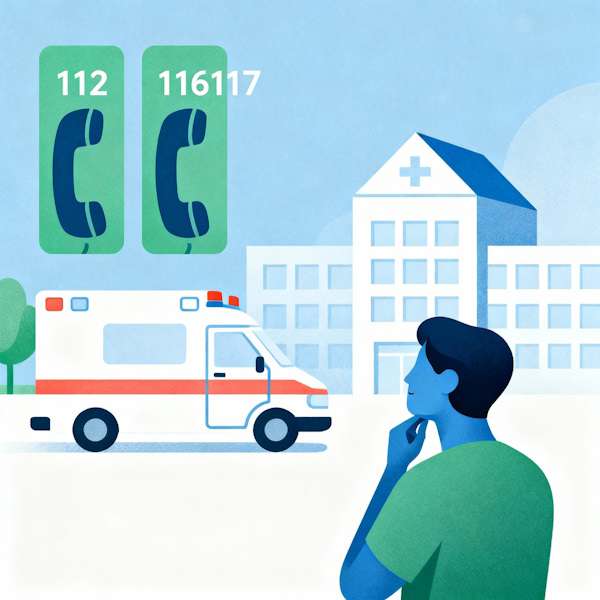
- Life-threatening emergencies: Call 112 or go to the nearest emergency department. Typical reasons include severe chest pain, difficulty breathing, heavy bleeding, or a suspected stroke.
- Urgent but not life-threatening: Call the nationwide medical on-call service at 116117 outside of normal practice hours for advice and to find out-of-hours clinics.
- Routine issues: Book a regular appointment with your Hausarzt for colds, chronic conditions, prescriptions, and referrals.
Making and Managing Appointments
- Call the practice during opening hours or use their online booking system if available. Be ready with your name, date of birth, insurance type, and reason for visit.
- Ask for a Termin and the name of the doctor you will see. If you prefer a specific language, politely ask whether anyone can consult in that language.
- Arrive 10 minutes early to complete forms. If you need to cancel, call as soon as possible so the slot can be given to another patient.
Read more: Politeness and appointment etiquette that help you communicate confidently
Documents to Bring
- Health insurance card or proof of coverage
- Passport or residence card for identification
- Medication list, allergy list, and previous medical records if available
- Referral letter for specialists
Language and Interpretation Tips
If you feel unsure about German medical vocabulary, prepare a short list of symptoms and dates in English or German before your appointment. Many clinics speak at least basic English, especially in university towns, but it helps to be concise. You can also consider bringing a friend who speaks German, or request information about interpretation services. Always ask before recording or translating using an app to respect privacy rules.
Pharmacies, Medicines, and When to Seek Help
Pharmacies, called Apotheken, sell both prescription and non-prescription medicines. You can recognize them by the red letter A sign. For prescription drugs, you need a Rezept from a doctor. Over the counter pain relievers, cough syrups, and nasal sprays are available without a prescription, but you will still get advice from the pharmacist about safe use and possible interactions.
For late night or Sunday needs, one pharmacy will be on duty in your area. Each pharmacy usually posts a list of on-call pharmacies at the door, and you can find the current duty pharmacy online. Do not hesitate to ask the pharmacist about side effects, dosage for children, or whether a product is reimbursed by your insurance.
- Prescription refills: If you are on a long term medicine, ask your doctor about repeat prescriptions, and keep a reminder to renew before you run out.
- Side effects: If you experience severe reactions, call your doctor’s office. For serious reactions, call 112.
- Self-care: For colds and mild symptoms, rest, fluids, and pharmacy advice are often enough. If symptoms persist for more than a few days, see your doctor.
Mental Health, Stress, and Adjustment
Starting a new life can bring homesickness, academic pressure, job search stress, or worries about family far away. These feelings are normal, but you do not need to carry them alone. In Germany, mental health is also healthcare. Your Hausarzt can discuss your symptoms, suggest a plan, and refer you to a psychotherapist or psychiatrist when needed. Many university towns offer counseling services for students and international scholars.
If you want to talk to someone anonymously, there are hotlines where you can speak to a trained volunteer or counselor. These services are often available in multiple languages or with a translator. For immediate crisis support, contact a crisis hotline or call 112 if there is danger to yourself or others.
- Short term coping: Create a simple routine, include daily walks, and keep a sleep schedule. Try short breathing exercises during study or work breaks.
- Social connection: Join local clubs or community groups to meet people with similar interests. Social contact reduces stress and improves mood.
- Professional help: Ask your doctor for therapy options. Waiting times can be long, so put your name on more than one waiting list if necessary.
For non-emergency medical guidance outside office hours, you can call the medical on-call service at 116117 to discuss symptoms and next steps. This is often helpful if you feel anxious about a new symptom at night or on the weekend.
Preventive Care, Vaccinations, and Checkups
Preventive care will save you time, money, and stress. Your Hausarzt can advise on recommended vaccinations, blood tests, and screenings based on your age and medical history. Many insurers cover preventive checkups without extra cost. Keep your vaccination records with your important documents. If you do not have records, your doctor can suggest a safe catch-up plan.
- Vaccinations: Ask your doctor to review which vaccines are recommended for adults and children based on local guidance. You can read general background information on vaccines from the Robert Koch Institute on their English website.
- Dental care: Regular dental cleanings and checkups help prevent pain and large bills later. Most insurance plans cover basic checkups, but ask your dentist what is included.
- Women’s health: Gynecologists provide preventive screenings, contraception advice, and pregnancy care. You can choose a practice that matches your language and comfort.
- Children’s health: Pediatricians track growth and development and offer routine vaccinations. Bring your child’s vaccination booklet to every visit.
Healthy Eating on a Budget
Eating well in Lower Saxony is possible even with a student or newcomer budget. Plan a simple weekly menu, cook at home, and use seasonal vegetables. Discount supermarkets offer affordable staples, while local markets sell fresh produce that often lasts longer and tastes better. If you have limited time, cook in batches and freeze portions in labeled containers.
- Smart shopping: Compare prices across supermarkets and look for weekly offers. Store brands are usually cheaper with similar quality.
- Quick balanced meals: Combine a protein source like eggs, beans, chicken, or fish with whole grains and vegetables. Keep healthy snacks such as nuts, yogurt, or fruit.
- Allergies or special diets: Read labels carefully and ask pharmacists or doctors for advice about nutritional supplements if needed.
For more ideas on where to buy and how to save, see our guide to local shops and refund systems. It explains how bottle deposits work and how to choose between supermarkets and drugstores in your area.
Practical tips for shopping, deposits, and saving money in grocery stores
Staying Active, Sleeping Well, and Daily Habits
Movement and sleep are the foundation of health. You do not need a gym membership to begin. Start with a 20 minute walk after dinner or a short morning stretch. Many towns have parks, riverside paths, and cycling lanes. If you prefer structure, consider joining a sports club, swimming pool, or community class.
- Activity ideas: Walking groups, cycling, free outdoor gyms in some parks, and public pools.
- Sleep: Keep regular bed and wake times, limit heavy meals late at night, and create a quiet, dark room if possible.
- Screen time: Turn off screens 30 minutes before bed and charge your phone away from your pillow.
Joining a club can help you stay motivated and make friends. Community activities are a big part of life in Lower Saxony, and they support mental and physical wellbeing.
Insurance Basics and Costs
Most residents are covered by statutory health insurance. Your monthly contribution is usually connected to your income or student status. With public insurance, you typically pay a small fee for certain prescriptions or medical devices, but standard visits to your Hausarzt or specialist are covered. Private insurance works differently, with specific contracts and reimbursement rules. Always ask your insurer what is covered before a procedure, especially for dental or vision care.
- Bring your card to every appointment to avoid delays.
- Keep receipts for any out of pocket payments and submit them to your insurer if your plan allows reimbursement.
- Ask before treatment if you are unsure about costs or coverage. Clinics can print a cost estimate.
Communication, Culture, and Respect in Care Settings
Good communication with medical staff helps you receive the right care. Be clear and brief about your main symptom, when it started, and what makes it better or worse. If you need privacy or would prefer a same-gender examiner, ask politely. In most clinics, staff will try to accommodate your request. Respectful communication goes both ways and builds trust.
Lower Saxony is culturally diverse. Everyone has the right to safe and respectful treatment, regardless of gender, religion, or background. If you ever feel uncomfortable, you can request a different staff member or ask the receptionist to help find another appointment.
How to navigate cultural and religious differences respectfully in daily life
What To Do When You Feel Unwell
When a new symptom appears, it can be hard to decide what to do. Use this simple checklist to choose your next step.
- Check severity: If there is severe pain, breathing problems, confusion, or heavy bleeding, call 112 immediately.
- Consider timing: If your clinic is closed and you cannot wait, call 116117 for the medical on-call service.
- Hydrate and rest: For mild colds or stomach issues, begin with rest, fluids, and simple meals.
- Use the pharmacy: Ask a pharmacist about safe over the counter options and when to see a doctor.
- Follow up: If symptoms do not improve in 2 to 3 days, book an appointment with your Hausarzt.
Building a Support Network
Health is not only about hospitals. It is also about people around you. Make small efforts to connect with neighbors, classmates, or coworkers. Volunteer opportunities, language tandems, and sports groups can bring structure and support. This is especially helpful during the first months when everything feels new.
Respect for others and punctuality are everyday habits that make life easier. When you attend appointments on time and cancel early if needed, clinics can help more people. When you listen and speak politely, you build positive relationships in your new home.
To learn more about the social rules that can make your health visits smoother and your daily life friendlier, explore our culture and etiquette guide for newcomers.
Environmental Health in Your Home and Neighborhood
Your environment affects your wellbeing. Keep your home clean and ventilated, especially during cooking. Separate waste correctly so your building stays clean and pest free. Learn how local recycling works so you can reduce smells, clutter, and stress in shared spaces. In many neighborhoods, good waste habits also help you meet neighbors and ask small questions about the area.
Simple rules for separating waste and keeping your home healthy
Quick Reference: Numbers and Steps
- 112: Emergency number for ambulance, fire, and urgent help.
- 116117: Non-emergency medical on-call service for nights and weekends, or when your doctor is closed.
- Your Hausarzt: First contact for most health issues, prescriptions, and referrals to specialists.
- Apotheke: Pharmacy for medicine, advice, and finding the duty pharmacy after hours.
If you prefer to prepare in advance, save these numbers in your phone, and write your insurance details on a small card in your wallet. Create a simple medicine box at home with basic items like a thermometer, pain reliever, and bandages.
Final Encouragement
Staying healthy in Lower Saxony is a daily journey made of small steps. Choose a Hausarzt, learn when to call 112 or 116117, visit your pharmacy with questions, and build routines for movement, sleep, and meals. Ask for help when you need it. With time, these habits will feel natural, and you will feel more at home in your new community.