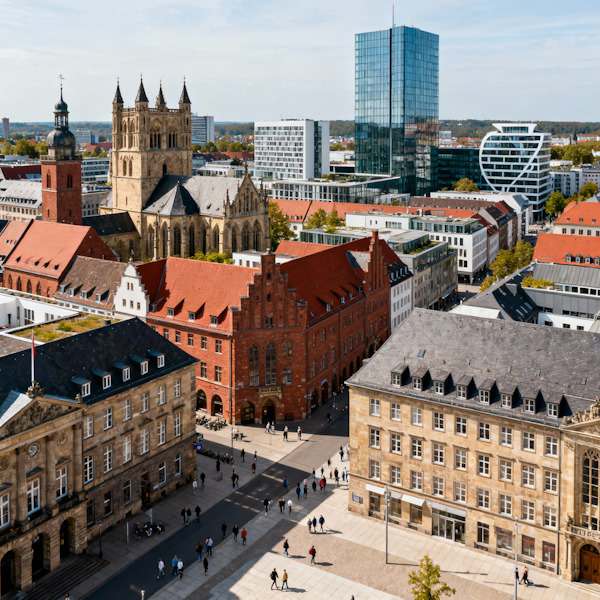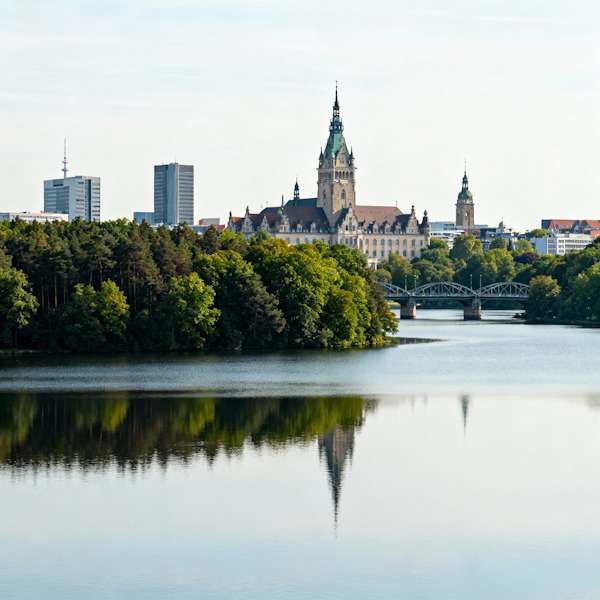
Lower Saxony, known as Niedersachsen in German, is large, diverse, and easier to navigate than it first appears. Instead of one dominant city, the state is a network of medium sized hubs linked by reliable trains and roads. For newcomers, this means you can match your priorities to a specific place, whether you want a student town, a family friendly area with nature, or a job corridor for engineering and logistics.
This guide gives you a practical overview of where people live, study, and work across the state. You will find short regional profiles, housing and commuting tips, a simple method to choose your base, and weekend ideas. The focus is on decisions that matter in your first months, like where to search for a flat, which ticket to buy, and how each area feels day to day.
Use this article as a starting map. Keep it open while you compare listings, plan train routes, and schedule campus or job appointments. Small, informed choices now make the integration process smoother later.
How Lower Saxony Fits Together
Think of Lower Saxony as a patchwork. Each area has its own character, job market, and lifestyle, yet travel between hubs is usually under one or two hours. This flexibility helps you live in a calmer town while studying or working in a larger city.
- Central connector: Hannover is the political center and main transport node, with fast links across Germany.
- Industry corridor: Braunschweig, Wolfsburg, and Salzgitter host engineering, automotive, and supplier networks.
- Academic south: Göttingen and its surroundings have a strong research and student community.
- Northwest and coast: Oldenburg sits near wind energy, ports, and islands, offering a relaxed pace and good cycling.
- Nature belts: The Lüneburg Heath in the north and the Weser Uplands and Harz in the south and southeast provide hiking, forests, and spa towns.
As you decide where to live, compare these layers with your daily needs. If you will commute, draw two circles on a map: one for your campus or workplace and one for your ideal lifestyle area. Your best choice is where those circles overlap.
Regional Profiles
Use these quick profiles to understand what each area offers. The goal is not to rank cities, but to match your priorities to a place that fits.
Hannover Region
Hannover is the state capital, a green city with lakes, parks, and the Eilenriede urban forest. Public transport is strong, and the main station connects to most German regions. Many newcomers start here because services are concentrated and language schools are easy to reach.
- Who it suits: Students, families, and professionals who want city life with green space and fast trains.
- Typical housing strategy: Start with temporary accommodation near tram lines, then look in mixed areas like Linden, List, Südstadt, and Vahrenwald.
- Everyday life: Markets, cultural festivals, and lake walks around Maschsee make social integration easier.
Braunschweig and the Wolfsburg Corridor
This corridor is shaped by engineering and automotive work, with research institutes and supplier networks. Braunschweig has a lively center, while Wolfsburg is modern and planned, with strong family services.
- Who it suits: Engineers, technicians, researchers, and anyone focused on automotive and advanced manufacturing.
- Typical housing strategy: Compare rent in Braunschweig, Salzgitter, and Wolfsburg. If your job is in Wolfsburg, check train times from Braunschweig before choosing.
- Everyday life: Expect commuting routines and international colleagues. Community clubs help you build a local network quickly.
Göttingen and South Lower Saxony
Göttingen is a classic student city with short distances, cafes, and libraries. It feels international and academic, with many events in English. Surrounding towns offer quieter housing with simple rail links.
- Who it suits: Students, researchers, and families who prefer walkable streets and a study focused lifestyle.
- Typical housing strategy: Begin with student residences or shared flats in central districts like Weende and Südstadt, then consider nearby towns if you want more space.
- Everyday life: Most errands are done on foot or by bicycle, which keeps costs down while you settle.
Oldenburg and the Northwest Coast
Oldenburg is bike friendly with a compact center. The wider region connects to wind energy, ports, and nature reserves. Many newcomers choose it for its calm rhythm and access to the North Sea islands.
- Who it suits: Families, students, and anyone who values a relaxed lifestyle and weekend nature trips.
- Typical housing strategy: Explore Eversten, Kreyenbrück, and Bloherfelde. Consider a short lease first, then decide if you prefer the city or a nearby town.
- Everyday life: Cycling, weekly markets, and day trips to coastal towns keep social life active without heavy costs.
Lüneburg Heath and the North
Lüneburg is charming with old streets, a growing student population, and easy trains to Hamburg. The surrounding heathland is unique and great for walking and cycling, especially in late summer.
- Who it suits: People who like historical towns, nature, and possible commuting to Hamburg.
- Typical housing strategy: Compare central flats with options in nearby villages. If you work in Hamburg, confirm the exact train journey time before signing.
- Everyday life: Coffee spots, student events, and frequent train rides shape weekly routines.
Weser Uplands and the Harz Edge
River valleys, half timbered towns, and forest slopes create an outdoor lifestyle. Smaller cities here can be more affordable, with spa towns and winter sport options closer to the Harz.
- Who it suits: Hikers, families, and remote workers who want quiet places within reach of larger hubs.
- Typical housing strategy: Look for houses or larger flats in towns with reliable regional trains. Check school and childcare availability early.
- Everyday life: Seasonal events, local markets, and sport clubs make it easy to meet people.
Choosing Your City or Town Step by Step
Use this simple method to narrow options in one week, even if you just arrived.
- List your must haves: Maximum rent, commute limit, access to campus or specific labs, proximity to a language school, and a quiet or lively neighborhood preference.
- Draw a commute circle: Choose a 30 to 45 minute door to door time. Include walking, transfers, and typical delays. Filter housing searches to addresses inside this circle.
- Test two routines: Do a full morning commute rehearsal and an evening shopping run in your top two areas. This shows the real feel, not just the map.
- Check weekly costs: Compare rent, ticket prices, and grocery costs. For everyday shopping strategies, see our guide to smart grocery shopping in Lower Saxony.
- Decide a starter base: Choose temporary housing for one to two months, then sign a longer contract when you are confident about the area.
Housing Basics and Paperwork
When you apply for a flat, most landlords ask for ID or passport, proof of income or funding, sometimes a SCHUFA report, and a short self introduction. Students can use an enrollment letter and, if needed, a guarantor. Signed contracts usually require a deposit, often equal to two or three months of rent, paid before you move in.
- Timing: Listings move quickly in central areas. Act fast and keep PDFs of documents ready on your phone and cloud storage.
- Viewings: Arrive on time, bring a printed application set, and note building details like heating type and bicycle storage.
- Handover day: Photograph meter readings and any existing damage before moving in. Save these photos in a dedicated folder.
After you secure a flat, remember that waste sorting rules are strict. If you are new to German recycling, our primer on getting waste separation right in Lower Saxony will help you avoid fines and neighbor complaints.
Transport Tickets That Save Money
Most newcomers rely on regional trains and local networks. Before you buy, check if you qualify for a student semester ticket or a discounted monthly pass.
- Regional day travel: The Niedersachsen Ticket is often the cheapest way for same day regional trips with friends or family. Read the current conditions on the DB Niedersachsen Ticket page.
- City networks: Hannover uses GVH, while Oldenburg is in VBN. In the north, Hamburg’s HVV also reaches parts of Lower Saxony. Compare single, weekly, and monthly prices.
- Cycling and walking: Many city centers are compact. A used bike plus a monthly regional pass is a flexible, low cost combo for the first semester.
Healthcare and Safety Basics in Every Region
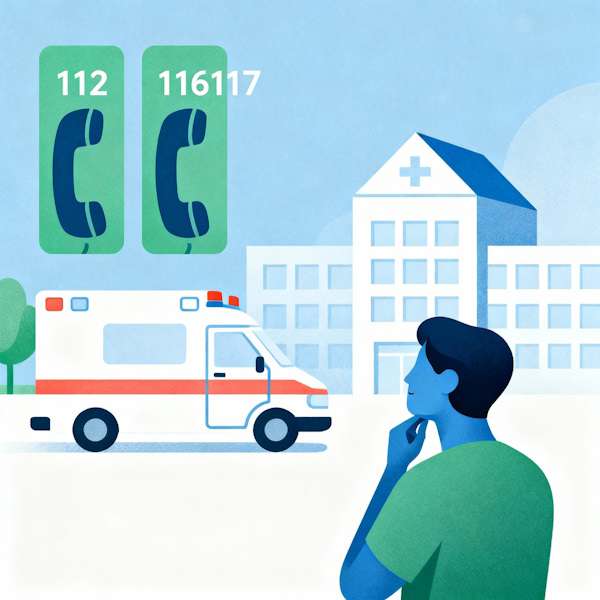
Keep your health insurance card with you and learn the names of local services. Pharmacies are called Apotheke and can advise on common health issues. For life threatening emergencies, call 112. For after hours non emergency medical help, dial 116117 to reach the medical on call service.
Read more: Understand 112, 116117, and hospital emergency care in Lower Saxony
If you have children, save the address of the nearest pediatric clinic and the pharmacy with extended hours. Ask neighbors which clinics accept new patients, since this can change during the year.
Study and Work Hubs by Area
Knowing where your field is strong helps you match your location to real opportunities.
- Automotive and engineering: Wolfsburg, Braunschweig, and Salzgitter. Look for supplier roles, testing labs, and quality jobs in the corridor.
- Academic and research: Göttingen and Braunschweig have established institutes and international programs.
- Services and administration: Hannover concentrates public agencies, fairs, finance, and media.
- Logistics and maritime: Northwest toward Oldenburg and the coast connects to ports and warehousing.
- Renewables and grid: Wind energy and related services are common in the northwest, with project roles across the state.
For a smoother first application, prepare a short German CV, translate degree titles carefully, and collect two references. When you go to interviews, arrive early and follow local etiquette on punctuality and direct but polite communication.
Everyday Costs and Shopping Rhythms
Costs vary by city, but small habits reduce your monthly budget in any region.
- Shop at discount chains for basics, then use weekly markets for fresh produce. Return deposit bottles to recover the Pfand.
- Cook large batches on Sunday afternoon, since most shops are closed, and freeze portions for busy days.
- Share delivery costs with neighbors or classmates when ordering heavy items online, like rice, oil, or cleaning supplies.
When you first arrive, buy a minimal starter set for the kitchen and cleaning. Add items only after two or three weeks, once you know what you actually use. This keeps your room uncluttered and saves money in the first month.
Making Friends and Feeling at Home
Integration is faster when you join regular activities. Sports clubs, volunteer groups, and music or language meetups are available in most towns. Libraries often offer low cost or free events. Learn the local style of communication and be punctual for appointments and social plans. Clear, polite messages help you build trust in any region.
When attending a neighbor’s event or a club meeting, bring a simple snack to share. Ask how to help with cleanup. These small steps open many doors in both small towns and larger cities.
Weekend Ideas Across Regions
Lower Saxony rewards short trips. With the right ticket and a small backpack, you can switch from city life to nature easily.
- Heath walks: Explore marked trails in the Lüneburg Heath. Even outside the peak season, the landscape is calming and good for cycling.
- Harz viewpoints: Forest walks and winter options are reachable by regional train. Check the return time before you start a long route.
- Coastal air: Day trips to the North Sea coast refresh your mind. For trip ideas, browse the official state tourism portal at Reiseland Niedersachsen.
Before leaving, pack water, a snack, a light rain jacket, and a phone power bank. Share your planned route with a friend, especially for longer hikes.
One Week Scouting Plan for Newcomers
If you are still undecided, try this seven day loop to test different lifestyles before you sign a long contract.
- Day 1, Hannover: Walk around the lake and central neighborhoods. Time your tram rides during rush hour.
- Day 2, Braunschweig: Visit the research quarter. Check commute times to Wolfsburg if your field is automotive.
- Day 3, Wolfsburg: Compare housing near train lines. Speak to colleagues about typical shift patterns.
- Day 4, Göttingen: Visit student services and libraries. Try a bike route to your preferred district.
- Day 5, Hildesheim or Salzgitter: Compare rent levels and train connections to Hannover or Braunschweig.
- Day 6, Oldenburg: Test cycling and bus routes. Plan a short coastal outing.
- Day 7, Lüneburg: Enjoy the old town and try a heathland walk for a nature perspective.
Take notes each day on commute time, noise level, market options, and how you felt in the evening. Choose the place that fits your real routine, not just the cheapest listing or prettiest street.
Checklist: Ready to Choose Your Base
Before you say yes to a flat or a town, confirm these points. A clear checklist saves time, money, and stress.
- Door to door commute stays within your target time on a normal weekday.
- Shops and a pharmacy are reachable by foot or a short bus ride.
- Your building has working bicycle storage or safe parking nearby.
- Heating type and monthly utilities are clear in the contract.
- You understand local waste separation rules and collection days.
- You have saved emergency numbers and nearby clinic addresses.
- You can join at least one weekly activity for language or sport.
Final Steps for a Smooth Start
Open a bank account, register your address when you have a contract, and set up digital copies of all documents. Save train routes and pharmacy hours on your phone. Learn your neighbors’ names and the name of your street gently and early. These small actions make any region of Lower Saxony feel like home.
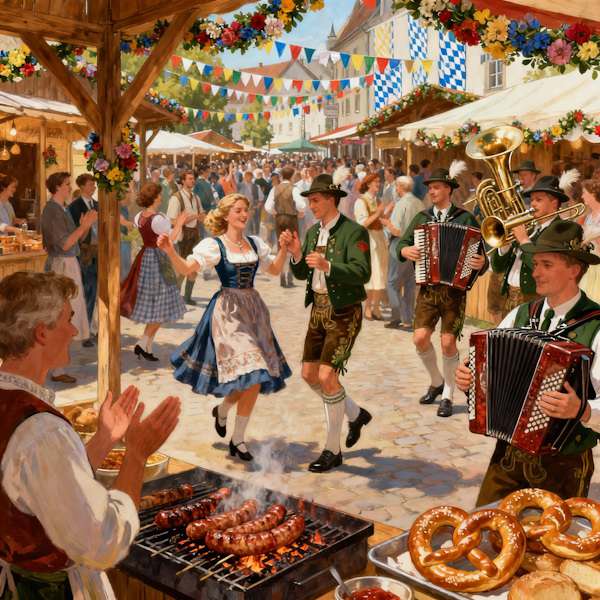
When you are ready to explore more traditions and local events, see our overview of festivals and community life across the state. You will quickly find that every city and region offers friendly ways to connect.