Finding the right medical help quickly can feel confusing when you are new to Lower Saxony. Is it a life-threatening emergency, an urgent health need after normal clinic hours, or something a regular family doctor can handle tomorrow? This guide explains how emergency and urgent care work in Lower Saxony, so you can act with confidence, protect your health, and avoid unnecessary stress or costs.
You will learn when to call 112, when to use the out-of-hours number 116117, how emergency departments and hospital admissions work, what to bring with you, how to communicate in English or simple German, and how to plan follow-up care. Keep this page bookmarked for peace of mind.
Emergency Numbers and When to Use Them
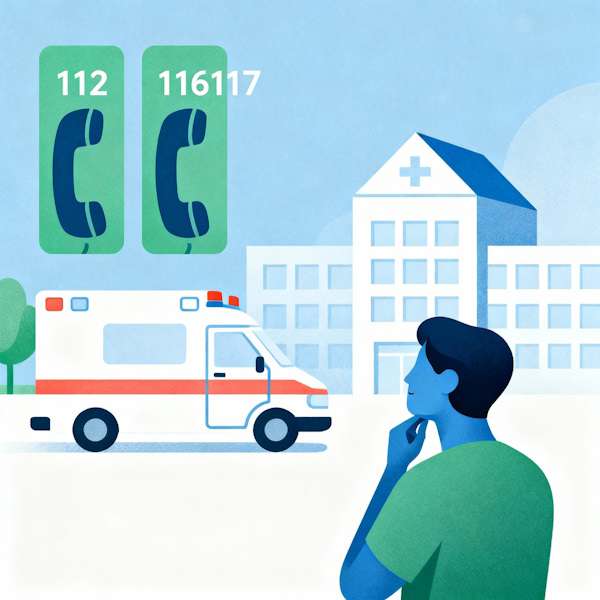
Germany has clear pathways to help you in a crisis. Understanding the difference between 112 and 116117 will save you time and ensure you get the right support.
Call 112 for Life-Threatening Emergencies
Dial 112 immediately if a situation is life-threatening or could quickly become life-threatening. Examples include severe chest pain, signs of stroke, serious accidents, heavy bleeding, loss of consciousness, severe breathing problems, or a suspected overdose. The 112 line connects you to trained dispatchers who can send an ambulance and advise you on first steps while help is on the way.
Call 116117 for Urgent, Non-Life-Threatening Care
Dial 116117 for urgent health problems that cannot wait until your doctor’s next opening hours but are not life-threatening. You will reach the medical on-call service, which can give you advice, arrange an appointment with an out-of-hours practice, or organize a home visit if medically necessary. Learn more on the official information page of the medical on-call service through this helpful overview.
Pharmacist Advice and Minor Issues
For mild symptoms, minor injuries, or questions about over-the-counter medicines, a pharmacist can often help. Many pharmacies rotate night and weekend duty so that one is always open in your area. Search “Apotheken Notdienst” with your city name to find the current pharmacy on call.
How Emergency Departments in Lower Saxony Work
Emergency departments in hospitals are designed to treat serious and urgent problems. On arrival, you will go through triage, where a nurse evaluates how quickly you need to be seen. Patients are not treated on a first-come-first-served basis, but rather by medical urgency.
If your condition is not urgent, you may be redirected to an out-of-hours practice in the same hospital building or a nearby clinic. Do not be surprised if waiting times vary. Bring something to stay comfortable, like water and a phone charger, but keep valuables to a minimum.
Out-of-Hours Practices and Walk-In Options
Across Lower Saxony, out-of-hours medical practices are usually connected to hospitals or local medical associations. They help during evenings, nights, weekends, and public holidays. The 116117 hotline can direct you to the nearest open location and, where available, arrange a time slot so you do not need to wait too long.
For urgent dental pain, look for the regional dental emergency service. For minor eye problems, some areas have ophthalmology on-call services. Call 116117 first to learn the best option near you.
Read more: Practical basics for doctors, pharmacies, insurance, and everyday health
What To Bring to the Hospital or Clinic
Carrying the right documents can reduce delays and stress. Prepare a small folder that you can quickly grab in an emergency.
- Health insurance card from your public or private insurer.
- Personal ID or passport, residence permit if available.
- Medication list with doses, including supplements or allergies.
- Doctor letters, recent lab results, vaccination records if you have them.
- Emergency contacts written on paper, not just in your phone.
- Payment method for potential co-payments or private services.
If you have a chronic condition, keep a short summary in your wallet in English and, if possible, in German. This is especially helpful for diabetes, epilepsy, heart disease, or severe allergies.
Costs, Insurance, and Avoiding Surprise Bills
In Germany, urgent and emergency treatment is provided regardless of your insurance type, but costs and follow-up billing differ. Public insurance typically covers medically necessary emergency care. Private insurance holders may pay upfront or receive invoices later, depending on their plan.
To avoid unexpected costs, use the correct path for your situation. For example, call 116117 instead of going directly to the emergency department for non-life-threatening issues. If you are unsure, the 116117 line can advise you free of charge. If a clinic offers optional private services, ask clearly about costs before agreeing.
Communicating Your Symptoms Clearly
Many healthcare staff in Lower Saxony speak English, especially in larger cities, but simple German phrases can help in stressful moments. Prepare a short script with your main symptoms, timing, and current medications.
Useful Phrases
- Ich habe starke Schmerzen hier. I have strong pain here.
- Es begann um … Uhr. It started at … o’clock.
- Ich nehme diese Medikamente. I take these medicines.
- Ich bin allergisch gegen … I am allergic to …
- Mir ist schwindelig. I feel dizzy.
- Ich habe Atemnot. I have trouble breathing.
If you worry about language barriers, carry a short printed list with your conditions, medication doses, and allergies. Show it to the nurse or doctor along with your ID and insurance card.
Step-by-Step: What To Do in a Health Emergency
- Assess safety. Move away from danger, make the area safe, and take deep breaths.
- Call the right number. Dial 112 for life-threatening emergencies. For urgent but not life-threatening issues, dial 116117 for guidance.
- Describe clearly. State your location, the main symptom, the person’s age, and any known conditions.
- Follow instructions. The dispatcher may guide you through first aid while help is on the way.
- Prepare documents. Grab your insurance card, ID, and medication list. Pack only what you need.
- Arrange childcare or pet care if possible. Ask a friend or neighbor to help.
- Plan follow-up. After the urgent phase, schedule an appointment with your family doctor for review and ongoing care.
Special Considerations for Children and Babies
Fever, breathing difficulties, dehydration, or a seizure require prompt attention in young children. If you are concerned, call 116117 for pediatric advice or go to a pediatric emergency department if symptoms are severe. Keep a record of the child’s weight, allergies, and any chronic conditions. Carry baby supplies and a favorite toy to reduce stress during long waits.
Mental Health Emergencies and Emotional Crisis
Mental health crises are health emergencies too. If someone is at risk of harming themselves or others, or is severely disoriented, call 112. For urgent support that is not immediately life-threatening, your first step can be 116117, which can direct you to psychiatric on-call services or crisis counseling.
Learning about ongoing mental health support, therapy routes, and self-care options in Lower Saxony can make a big difference before a crisis happens. Explore our guide for practical steps you can take now.
Find local stress and mental health support options across Lower Saxony
Aftercare, Prescriptions, and Rehabilitation
After emergency treatment, you will often receive a short letter for your family doctor. Make an appointment promptly to discuss results and plan next steps. If you receive a prescription, fill it as soon as possible, especially for antibiotics, asthma inhalers, or heart medicines. Ask your pharmacist how to take the medication correctly and about possible interactions with your current medicines.
If you experience ongoing pain, mobility problems, or emotional distress after an emergency, ask your doctor about physical therapy, pain clinics, or counseling. Early follow-up protects your recovery and reduces the chance of complications.
Accessibility and Support for People with Disabilities
Many hospitals and clinics in Lower Saxony have wheelchair access, accessible toilets, and patient transport options. If you need assistance, mention it during the call to 112 or 116117. Consider carrying a simple medical summary card explaining your needs, communication preferences, or assistive devices. If you use sign language, ask in advance if interpretation can be arranged.
Digital Tools Worth Knowing
Digital health tools can save time. Many insurer apps allow you to store your insurance card data, submit sick notes, or contact a telemedicine service. Some clinics offer online appointment booking and digital check-in. Keep your phone charged, but also carry paper copies of your essentials in case your battery dies.
For a quick refresher on everyday healthcare basics, insurance terms, and where to go for routine needs, read our practical overview for newcomers in Lower Saxony.
Travel, Events, and Emergencies Away From Home
Emergencies do not wait for the perfect moment. If you are traveling within Germany, the same numbers apply everywhere. The European Union also uses 112 as the general emergency number, which is helpful for trips outside Germany. You can confirm this on the European Commission’s emergency number page here: European emergency number information.
At large events or festivals, look for first aid tents or the Red Cross symbol. If you have a chronic illness, carry your medication and a short health summary, and tell a friend where it is.
Quick Reference Checklist
- 112 for life-threatening emergencies or severe, rapidly worsening symptoms.
- 116117 for urgent medical help after hours when it is not life-threatening.
- Use pharmacies for minor issues and advice, and search for “Notdienst” to find one that is open.
- Bring insurance card, ID, medication list, and allergy information to any urgent or emergency visit.
- Prepare a small emergency folder and keep it in an easy-to-reach place at home.
- Arrange follow-up with your family doctor after any emergency visit.
Where to Learn More and Prepare Ahead
Preparation reduces anxiety and helps you make good decisions. Save 112 and 116117 in your phone, and share them with your family. If you feel overwhelmed by the healthcare system or want to build daily wellbeing habits that reduce the chance of emergencies, the two guides below are a great starting point.
- Everyday health, doctors, pharmacies, and insurance explained for newcomers
- Stress management and local mental health support in Lower Saxony
By understanding how emergency and urgent care work, you can protect yourself and your loved ones, use services wisely, and feel more at home in Lower Saxony’s healthcare system.