Introduction
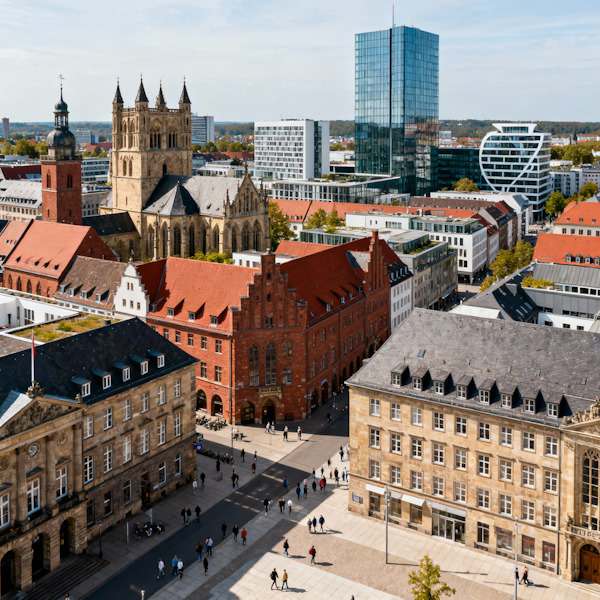
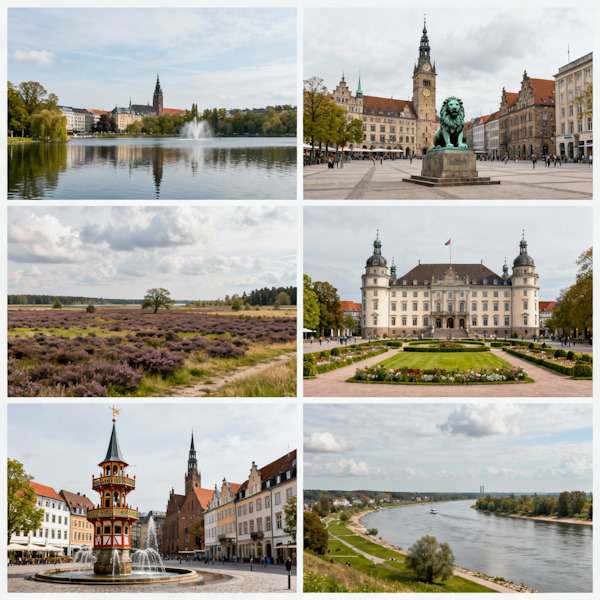
Lower Saxony (Niedersachsen) offers a welcoming, practical entry point into German life. If you are new to the state, understanding a few everyday cultural patterns will help you feel at home faster: why Sundays are quiet, how to take part in major festivals, where to find affordable culture, how volunteering works, and which public services support your integration. This guide focuses on concrete steps in cities such as Hannover and Oldenburg, with pointers that also apply across the state.
Because rules and programs can differ by municipality, this article highlights where local variations matter and cites official sources so you can verify current details. Laws on shop opening, public holidays, noise, and public media fees are especially important to check with up-to-date references when you plan your week or register for services [1, 2, 3, 4, 21].
Sunday and Public Holiday Culture: What “Rest Day” Means
In Germany, Sundays and public holidays are culturally protected quiet days. In Lower Saxony this has two practical effects that newcomers feel immediately. First, most retail shops are closed on Sundays. Municipalities may permit up to a small number of “shopping Sundays” linked to specific events each year, but these are exceptions, determined locally and limited by state law. If you see “verkaufsoffener Sonntag” advertised in your city calendar, that is likely one of these special days [1]. Second, the state publishes its list of statutory public holidays—and you will notice that Lower Saxony observes Reformation Day on 31 October as a full public holiday, a status that has applied statewide since 2018 [2, 3].
The Sunday culture is not just about retail. Noise rules matter, too. Germany’s Geräte- und Maschinenlärmschutzverordnung (32nd Federal Immission Control Ordinance) restricts the use of many outdoor power tools—like certain lawn equipment—on Sundays and public holidays, and at night on other days. Municipalities can add their own rules, so check your city’s environmental or public order pages if you plan DIY work in a shared courtyard or garden [4, 5]. In practice, Sunday is a day for rest, family, parks, and cafés; if you need groceries, plan around Saturday closing times or use small bakeries and gas-station shops with limited Sunday offerings.
Festivals and Community Life: How to Join In
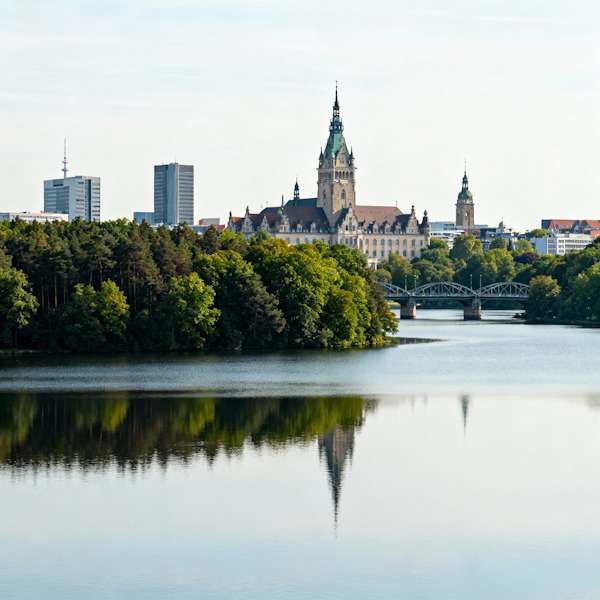
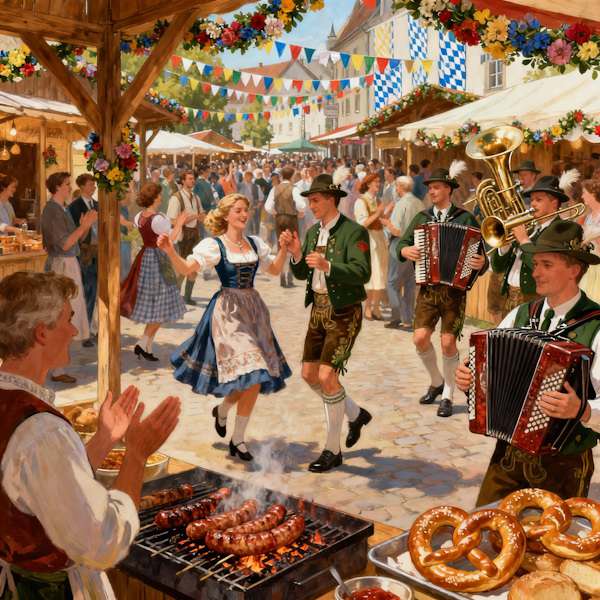
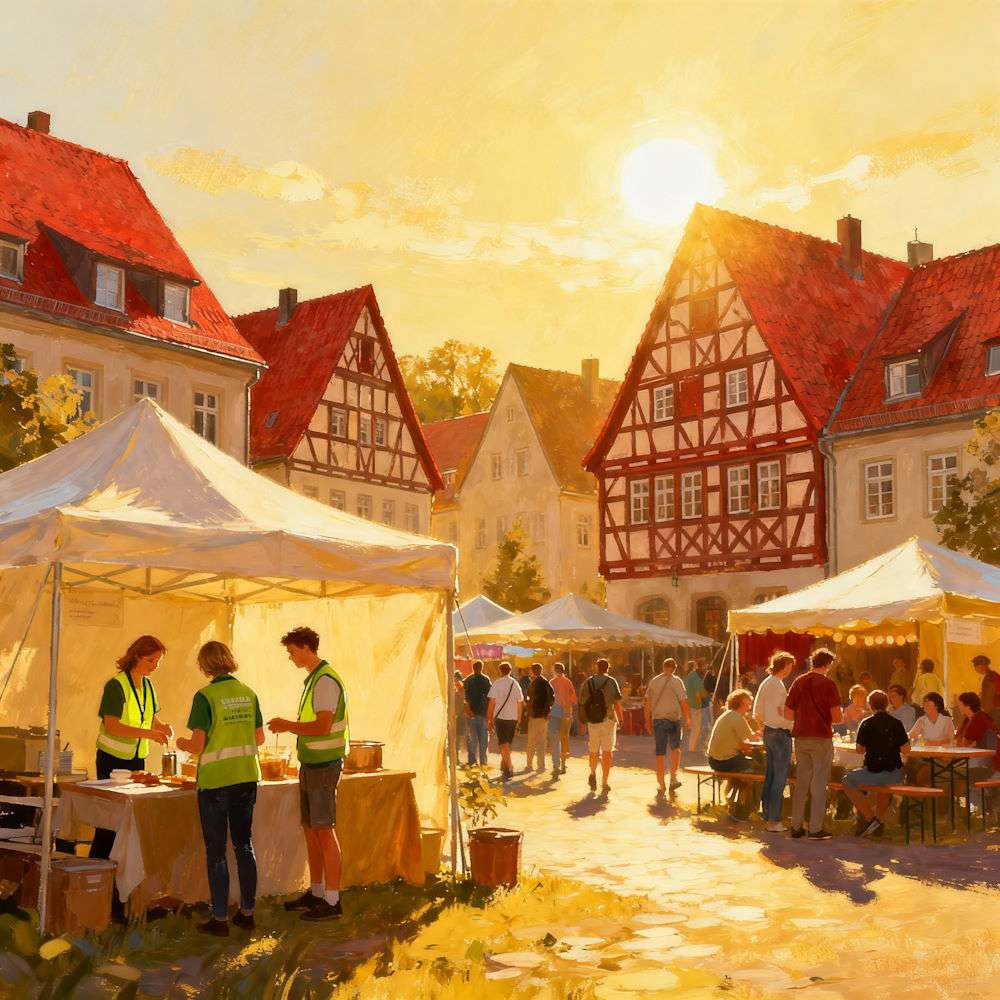
Lower Saxony’s cities host large, family-friendly festivals that bring neighborhoods and traditions together. In Hannover, the Schützenfest Hannover is widely known as one of the world’s largest marksmen’s festivals, mixing parades, fairground rides, and music. Expect crowds, organized public transport, and a cheerful atmosphere; it usually takes place in early summer on the city’s festival grounds [6]. Later in the season, the lakeside Maschseefest turns Hannover’s Maschsee area into a long waterfront promenade of food, live stages, and evening strolls—a classic way to meet colleagues and neighbors after work or take children for a safe night out [7].
In Oldenburg, the autumn Kramermarkt is a major regional fair with centuries of history. It typically runs around late September and early October and includes rides, market stalls, and processions. The city provides practical visitor tips each year, including opening hours and public transport advice—check the official pages before you go if you have accessibility or family needs [8].
Alongside the big fairs, cultural calendars fill up with seasonal programs. The Region Hannover’s “Kultursommer” tour brings concerts and readings to parks, courtyards, and historical sites during summer, often with affordable entry or free admission—use it to discover venues outside the city center and meet people from your district [9]. If you follow municipal websites and their events newsletters (Hannover, Oldenburg, and surrounding counties), you will see that many festivals are designed to be inclusive and child-friendly, with daytime options for families and evening options for adults.
Intercultural Weeks and Inclusive Programs
Each year in late September, municipalities across Germany run the Intercultural Week (Interkulturelle Woche), a nationwide program of talks, concerts, open houses, guided tours, and interfaith events. In 2025, the national dates were 21–28 September with the motto “dafür!”—local programs in Lower Saxony cities and counties adapt the theme with their own schedules [9]. For a concrete example, Langenhagen (in the Hannover region) combined a “Fest der Kulturen” with workshops and performances during the week; other municipalities such as Wilhelmshaven do similar city-wide activities anchored by their integration offices and cultural centers [10, 11]. If you want to meet neighbors and learn how local institutions work—schools, libraries, police, and associations—these weeks are the easiest starting point.
Beyond one-off festivals, both Hannover and Oldenburg operate programs that open culture to people with limited budgets. In Hannover, KulturLeben (coordinated by the city’s volunteer center) matches unsold seats—concerts, theater, exhibitions—with registered guests at no cost [12]. In Oldenburg, the Kulturtafel provides free tickets by phone to residents who qualify financially [13]. These initiatives rely on partner institutions donating “rest tickets,” so availability varies; register early and keep your contact data up to date.
Discounts and Access: City Passes, Theaters, and Libraries
Lower Saxony municipalities operate different discount systems to support participation. Hannover’s HannoverAktivPass aims to reduce barriers to cultural, sports, and educational activities for low-income residents. Eligibility and what exactly is discounted are published by the city; acceptance can vary by organization and may depend on annual funding, so always check current terms before relying on a discount [14]. In Oldenburg, major institutions explicitly recognize local passes: the Oldenburgisches Staatstheater grants a 50% reduction from certain price groups to categories including students up to 35, trainees, and holders of the Oldenburg-Pass [15]. These are examples; your municipality may have a different name for its participation pass, but the logic is similar—ask at the ServiceCenter or integration office.
Public libraries are another low-cost gateway into local culture, language learning, and digital services. The Stadtbibliothek Hannover issues library cards free for children and young people up to 20; adults pay an annual fee depending on status (students, concessions) under the library’s fee rules [16]. In Oldenburg, the city service portal explains how to apply for a library card and what fees apply (including replacement card fees); the exact annual rate and concessions can change, so confirm before your first visit [17]. Many branches run conversation circles, coding workshops, or family reading hours; Hannover’s library network regularly advertises such events on its site and in branch posters.
Volunteering and the Ehrenamtskarte
Volunteering (Ehrenamt) is central to social life in Lower Saxony—sports clubs, fire brigades, neighborhood initiatives, refugee support, and cultural associations all depend on it. The state recognizes sustained commitment with the Ehrenamtskarte Niedersachsen/Bremen, issued by participating municipalities together with the state government. Cardholders receive concessions across both states, from museum or pool entry to retail discounts, and can view offers in an official app. The eligibility criteria are published by the state’s FreiwilligenServer (hours per year, minimum duration of engagement) and municipalities provide application routes via their service portals [18, 19, 20]. In Hannover, the city’s service portal explains the process and confirms that the card is honored across much of Niedersachsen and Bremen [21]. If you are new, start by contacting your city’s volunteer agency; they can match your skills with local needs and advise whether your current activity qualifies for the card.
Language, Orientation, and Where to Get Help
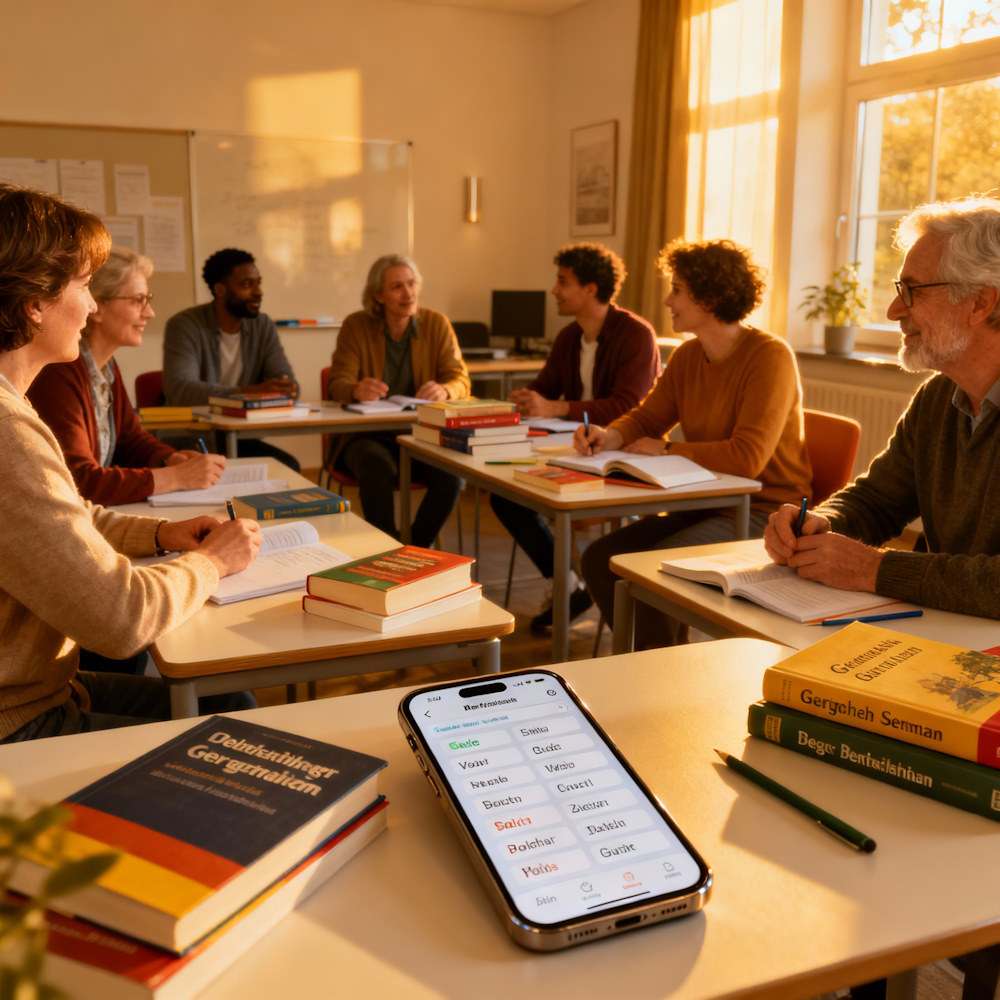
For long-term participation, German courses and orientation are crucial. The Integration Course system is federally regulated and supported by the BAMF. A standard track combines 600 lessons of language instruction and 100 lessons of orientation (history, law, culture), with options to repeat modules if you do not reach the target level. Eligibility comes through a Berechtigung or Verpflichtung from BAMF or local authorities; providers will help you check which applies [22].
At the local level, public adult education centers (Volkshochschulen, VHS) operate most integration courses and many profession-specific language tracks (so-called Berufssprachkurse). The VHS Hannover publishes clear guidance on its integration courses—structure, hours, and admissions—along with advice on how to obtain the necessary authorization; counseling hours are listed and regularly updated [23]. In Oldenburg, the VHS explains the integration course components and the B1 target level in plain language, and you can contact them for upcoming intakes [24]. Use the BAMF site for the national framework and your local VHS for concrete schedules and enrollment windows [22, 23, 24].
When settling practical matters (registration, schools, family, first steps at work), Welcome Centers in the state provide a helpful bridge. In the Hannover Region, the Welcome Center supports both companies and international professionals, with services ranging from “first steps in Germany” to networking and short city welcome tours. Pages in English summarize the offer and contact points; the city also runs a “welcome service” desk in the Hannover Service Center with free advice for residents [25, 26, 27]. In Oldenburg, the municipal Welcome Center focuses on assisting skilled workers and families with arrival and everyday life, as part of the city’s workforce initiative [28]. The state ministry encourages and funds these centers, and national portals (“Make it in Germany”) maintain searchable databases of advisory offices if you move within or beyond Lower Saxony [29, 30].
Affordable Culture While You Study or Job-Hunt
If you are a student or in training, Hannover’s cultural and student initiatives often combine with the library and theater reductions mentioned above. In practice, the best strategy is to mix three tools: your student ID (or university “Kulturticket” where available), your city participation pass (such as HannoverAktivPass), and ticket brokers like KulturLeben or Kulturtafel that distribute spare seats [12, 13, 14, 15]. Many museums and theaters—especially in Oldenburg and the Region Hannover—offer special days or late-entry prices; watch institution newsletters to catch limited-quota offers. If you are on a very tight budget, talk to the library: some networks host free language cafés or homework support that double as social hubs for meeting German-speaking peers [16, 17].
Media and Information: The Rundfunkbeitrag
Germany funds public broadcasting via the Rundfunkbeitrag, a household fee charged per dwelling. Newcomers must register after moving into a residence; the official Beitragsservice explains how to sign up, how to report flat-shares, and which exemptions or reductions may apply (e.g., for certain benefits). As of late 2024, officials announced no change to the fee level for the next period; still, always check the current official information since the amount and rules can be reviewed by the states [31, 32]. The Verbraucherzentrale (consumer advice service) provides clear guidance for students and shared flats to avoid duplicate payments—useful if you live in a WG in Hannover, Oldenburg, or a university town like Göttingen [33].
Local Variations You Should Expect
Lower Saxony is a large, diverse state. While state law sets the framework, many aspects of “culture and society” are handled municipally. Expect variation in Sunday shopping permissions, participation passes, library fees, and the exact mix of courses at your VHS. For example, one municipality may run a bigger Intercultural Week stage program and another may prioritize neighborhood dialogue events; Langenhagen and Wilhelmshaven recently illustrated different approaches within the same state week [10, 11]. The rule of thumb: check your city’s website (often “serviceportal.[city].de” or the main municipal domain), then verify time-sensitive details through the state or federal source where relevant [1, 2, 4, 22, 31].
Practical Starter Checklist (Explained Above)
Mark local public holidays and expect Sunday closures, with limited exceptions tied to city events [1, 2]. Learn the quiet-hours logic before using outdoor tools on Sundays or late at night [4, 5]. Pick two or three events from the city festival calendar to meet neighbors: Schützenfest or Maschseefest in Hannover, Kramermarkt in Oldenburg, or summer concerts in the Region Hannover [6, 7, 8, 9]. If your budget is tight, register with KulturLeben (Hannover) or Kulturtafel (Oldenburg), apply for your city participation pass where available, and ask libraries about free programs [12, 13, 14, 16, 17]. If you are still orienting yourself linguistically, contact your VHS about integration or work-related language courses, and keep the BAMF framework in mind for permissions and funding [22, 23, 24]. Finally, handle your household media fee registration promptly and use the consumer guides if you live in a house-share [31, 32, 33].
References
1. Niedersächsisches Gesetz über Ladenöffnungszeiten (NLöffVZG) – Legal Text (PDF). https://www.ms.niedersachsen.de/download/168441/Niedersaechsisches_Gesetz_ueber_Ladenoeffnungszeiten_NLoeffVZG_.pdf
2. Feiertage in Niedersachsen – Übersicht (MI Niedersachsen). https://www.mi.niedersachsen.de/startseite/themen/staats-und-verwaltungsrecht/feiertage-in-niedersachsen-111258.html
3. Reformationstag ist gesetzlicher Feiertag in Niedersachsen (MI Niedersachsen). https://www.mi.niedersachsen.de/startseite/aktuelles/presseinformationen/reformationstag-ist-gesetzlicher-feiertag-in-niedersachsen-169918.html
4. 32. BImSchV – Geräte- und Maschinenlärmschutzverordnung (Law Text). https://www.gesetze-im-internet.de/bimschv_32/BJNR347810002.html
5. Geräte- und Maschinenlärm – Umweltministerium Niedersachsen (Overview). https://www.umwelt.niedersachsen.de/startseite/themen/larmschutz/maschinen_und_geratelarm/geraete-und-maschinenlaermschutz-130197.html
6. Schützenfest Hannover – Official Website. https://www.schuetzenfest-hannover.de/
7. Maschseefest – Official Website. https://www.maschseefest.de/
8. Oldenburger Kramermarkt – City of Oldenburg. https://www.oldenburg.de/startseite/tourist/veranstaltungen/highlights/kramermarkt.html
9. Interkulturelle Woche – National Dates 2025. https://www.interkulturellewoche.de/Termine
10. Interkulturelle Woche Langenhagen 2025 – City Information. https://www.langenhagen.de/portal/seiten/-dafuer-gemeinsam-vielfalt-leben-interkulturelle-woche-vom-21-bis-27-september-2025-900000966-30890.html
11. Interkulturelle Wochen 2025 – City of Wilhelmshaven. https://www.wilhelmshaven.de/interkulturelleWochen/
12. KulturLeben Hannover – Volunteer Center Hannover. https://www.freiwilligenzentrum-hannover.de/projekte/kulturleben-hannover/
13. Kulturtafel Oldenburg – Official Information. https://kulturtafel-oldenburg.de/presse/
14. HannoverAktivPass – Service-Portal Hannover. https://serviceportal.hannover-stadt.de/buergerservice/dienstleistungen/hannoveraktivpass-1120-0.html?myMedium=1
15. Oldenburgisches Staatstheater – Reductions. https://staatstheater.de/service/ticketshop/ermaessigungen
16. Stadtbibliothek Hannover – Costs Overview. https://www.hannover.de/Leben-in-der-Region-Hannover/Bildung/Bibliotheken-Archive/Stadtbibliothek-Hannover/Service-und-Angebote/Kurzinfo/Kosten
17. Bibliotheksausweis beantragen – Serviceportal Oldenburg. https://serviceportal.oldenburg.de/buergerservice/dienstleistungen/bibliotheksausweis-beantragen-900000048-0.html?myMedium=1&selected_kommune=36200
18. FreiwilligenServer Niedersachsen – Ehrenamtskarte (Overview). https://www.freiwilligenserver.de/ehrenamtskarte
19. Informationen zur Ehrenamtskarte Niedersachsen/Bremen. https://www.freiwilligenserver.de/ehrenamtskarte/informationen
20. Ehrenamtskarte beantragen – Serviceportal Niedersachsen (Example Entry). https://service.niedersachsen.de/detail?ags=03257012&areaId=27590&infotype=0&pstCatId=454393292&pstGroupId=&pstId=440534748
21. Ehrenamtskarte – Service-Portal Hannover. https://serviceportal.hannover-stadt.de/buergerservice/dienstleistungen/ehrenamtskarte-1036-0.html?myMedium=1
22. BAMF – Integrationskurse (Framework and Eligibility). https://www.bamf.de/DE/Themen/Integration/ZugewanderteTeilnehmende/Integrationskurse/integrationskurse-node.html
23. VHS Hannover – Integrationskurse (Details and Counseling). https://www.vhs-hannover.de/vhs-programm/deutsch-integration/integrationskurse
24. VHS Oldenburg – Integrationskurse (Overview). https://www.vhs-ol.de/deutsch/kursauswahl/deutschkurse/integrationskurse
25. Welcome Center Region Hannover – Services (English). https://www.wirtschaftsfoerderung-hannover.de/de/Microsites/Welcome_Center/Welcome_Center_en.php
26. City of Hannover – Welcome Service (English). https://www.hannover.de/en/view/content/869330/full/0/1069915
27. Welcome Center Region Hannover – Services for International Professionals. https://www.wirtschaftsfoerderung-hannover.de/de/Microsites/Welcome_Center/Service_internationale_Fachkraefte_en.php
28. Welcome Center Oldenburg – City of Oldenburg (About). https://www.oldenburg.de/startseite/leben-umwelt/welcomecenter/ueber-das-welcome-center.html
29. State of Lower Saxony – Welcome Centers Funding Call (Press). https://www.ms.niedersachsen.de/startseite/uber_uns/presse/presseinformationen/fachkraftesicherung-in-niedersachsen-veroffentlichung-des-forderaufrufs-forderung-von-welcome-centern-240409.html
30. Make it in Germany – Advisory Offices Finder. https://www.make-it-in-germany.com/de/service/beratung-anlaufstellen/in-deutschland
31. Beitragsservice (ARD ZDF Deutschlandradio) – Registration. https://www.rundfunkbeitrag.de/buergerinnen_und_buerger/informationen/a-bis-z/01_anmelden/index_ger.html
32. Beitragsservice Press Release – Countries Decide to Defer Fee Change (16 Dec 2024). https://www.rundfunkbeitrag.de/presse_und_aktuelles/pressemitteilungen/2024_12_16_laender_kuendigen_an_aenderungsstaatsvertrag_spaeter_zu_verkuenden/index_ger.html
33. Verbraucherzentrale – Rundfunkbeitrag for Students and Shared Flats (Guide). https://www.verbraucherzentrale.de/wissen/vertraege-reklamation/kauf-vertrag-und-rechnung/der-rundfunkbeitrag-in-wg-und-studentenwohnheim-39552